
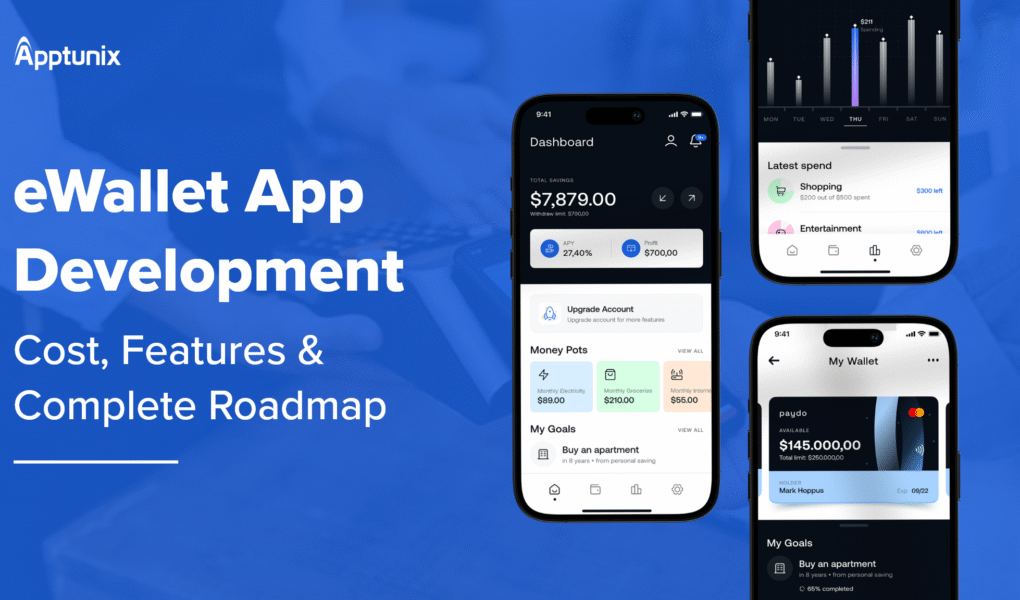
Digital payments have transformed how people shop, transfer money, and pay bills. Today, eWallet apps are essential tools for both businesses and consumers. With increasing demand for secure and fast digital transactions, more organizations are investing in eWallet app development services to offer reliable, user-friendly payment solutions.
But before building an eWallet app, companies must understand the cost, features, and benefits involved. This article breaks down everything you need to know — from essential functionalities to pricing factors and overall business impact.
2. Types of eWallets: Closed, Semi-Closed, and Open Wallets
Before developing an eWallet, it is crucial to identify which type fits your business model:
a. Closed eWallet
- Created by a specific company
- Used only for purchases within that ecosystem
- Example: Amazon Pay balance
- Best for retail or eCommerce platforms
b. Semi-Closed eWallet
- Works with multiple merchants under a contract
- Allows online & offline purchases
- Example: Paytm wallet
- Ideal for multi-service businesses
c. Open eWallet
- Supported by banks or financial institutions
- Can withdraw money, transfer funds, and pay anywhere
- Example: Apple Pay, Google Wallet
Each type requires different development complexity and cost, so choosing the right model from the start is essential.
3. Core Features Every eWallet App Must Include
A professional eWallet should offer smooth, secure, and easy-to-use features. These are the mandatory features needed for a functional and competitive wallet:
a. User Registration & Profile Management
Simple onboarding with email, phone, or social login.
b. Bank Account Integration
Secure connection to users’ bank accounts using APIs.
c. Add/Withdraw Money
Users must be able to load funds and withdraw when needed.
d. QR Code Payments
Fast in-store transactions using QR technology.
e. Money Transfer to Contacts
Peer-to-peer (P2P) transfers via mobile number or email.
f. Transaction History
Complete record of payments, refunds, and receipts.
g. Bill Payments
Recharge, utilities, internet, electricity, water, etc.
h. Push Notifications
Updates for payments, offers, and security alerts.
i. Customer Support
Chatbot or live support for user assistance.
These features create the foundation of a professional eWallet application.
4. Advanced Features That Enhance User Experience
To stand out among competitors, modern eWallet apps integrate advanced features that improve usability and attract more users:
a. Biometric Authentication
Fingerprint, face recognition, and iris scans for security.
b. AI-Powered Fraud Detection
Real-time monitoring to detect abnormal transactions.
c. Loyalty Programs & Cashback
Coupons, vouchers, and reward points.
d. NFC & Contactless Payment
Tap-to-pay technology for a smooth checkout experience.
e. Multi-Currency Support
Ideal for global users and travelers.
f. Crypto Wallet Integration
Support for Bitcoin, Ethereum, and other cryptocurrencies.
g. Voice-Based Payments
Voice commands powered by AI assistants.
While optional, these features significantly enhance user engagement.
5. Security Measures Used in Professional eWallet Development
Security is the backbone of any payment solution. Professional eWallet developers use industry-standard technologies to protect user data and transactions.
a. End-to-End Encryption
Ensures that personal and financial data can’t be intercepted.
b. Tokenization
Replaces sensitive card details with secure tokens.
c. PCI DSS Compliance
Mandatory for handling card transactions safely.
d. Two-Factor Authentication (2FA)
Adds an extra protection layer using OTP or device verification.
e. Anti-Fraud Systems
Detect unusual login locations, large transactions, and suspicious activity.
f. Secure APIs
Prevents unauthorized access to server data.
g. App Cloning Prevention
Protects users from downloading fake copies of your wallet.
These security measures build user trust and protect businesses from cyber risks.
6. Cost Breakdown of eWallet App Development
The cost of eWallet app development depends on multiple factors. Here’s a general breakdown:
a. Basic eWallet App
$15,000 – $30,000
Includes essential features like registration, payments, and history.
b. Mid-Level eWallet App
$30,000 – $60,000
Adds features like biometrics, reward systems, and multi-currency support.
c. Advanced/Enterprise eWallet App
$70,000 – $150,000+
Includes AI fraud detection, blockchain, crypto integration, and complex architecture.
Cost Breakdown by Components
| Component | Estimated Cost |
| UI/UX Design | $2,000 – $7,000 |
| Front-End Development | $5,000 – $20,000 |
| Back-End Development | $10,000 – $40,000 |
| Security & Compliance | $3,000 – $15,000 |
| Testing & QA | $2,000 – $10,000 |
| Deployment | $1,000 – $5,000 |
| Maintenance | $500 – $2,500 per month |
Actual cost varies depending on developer location, tech stack, and project complexity.
7. Factors That Influence Total Development Cost
Many elements impact the final cost of an eWallet app:
a. App Complexity
More features = higher cost.
b. Technology Stack
Blockchain, AI, and NFC integration require advanced expertise.
c. Developer’s Region
- USA/UK developers: Expensive
- Eastern Europe: Medium cost
- Asia (India, Pakistan, Vietnam): Affordable
d. Third-Party Integrations
Payment gateways, SMS services, and KYC systems add to cost.
e. Security Requirements
Higher security standards increase development time and expense.
f. Maintenance & Updates
Apps require continuous updates for security and performance.
Understanding these factors helps estimate what type of budget you need.
8. Top Business Benefits of Investing in eWallet App Development Services
Choosing professional eWallet development services offers long-term advantages:
a. Increased Customer Convenience
Customers enjoy faster payments and a better shopping experience.
b. Higher User Engagement
Reward systems, cashback, and offers keep users active.
c. Enhanced Security
Reduces risk of fraud, data theft, and cyber-attacks.
d. Strong Brand Positioning
Businesses offering secure digital payments appear more modern and reliable.
e. Cost Savings
Reduces dependency on cash handling and third-party platforms.
f. Scalability
Professional apps grow easily with business demand.
g. Revenue Generation
Through transaction fees, partnerships, and merchant commissions.
h. Real-Time Financial Insights
Get instant analytics on user behavior and transactions.
For eCommerce stores, banks, and fintech startups, the benefits are substantial.
9. How to Choose the Right eWallet App Development Company
Selecting the right development team is crucial for long-term success. Look for:
a. Proven Experience in Fintech
Ensure the company has a strong portfolio of eWallet or banking apps.
b. Security Expertise
PCI DSS, encryption, and tokenization knowledge is essential.
c. Skilled Development Team
UI/UX designers, mobile developers, QA engineers, and DevOps experts.
d. Post-Launch Support
Maintenance and security updates must be included.
e. Clear Communication
Transparent pricing and regular progress reports.
f. Positive Client Reviews
Check testimonials, ratings, and case studies.
A professional development partner ensures quality, speed, and long-term stability.
10. Future Trends in eWallet App Development Technology
The future of eWallets is evolving rapidly. Here are the top trends shaping the industry:
a. Blockchain-Based Payments
Decentralized transactions increase security and transparency.
b. Voice-Activated Payments
Enabled by AI systems like Alexa, Siri, and Google Assistant.
c. Biometric Advancements
Palm scans, vein recognition, and improved face ID.
d. Predictive AI Analytics
Analyzes user behavior to prevent fraud before it happens.
e. Cross-Border Payment Enhancements
Instant multi-country transfers for global businesses.
f. Crypto + Traditional Wallet Integration
Hybrid wallets are becoming mainstream.
Businesses adopting these trends will stay ahead of the competition.
Final Thoughts
eWallet app development services are essential for any business looking to offer secure, fast, and modern digital payment solutions. Understanding the cost, features, and benefits helps organizations make better investment decisions.
From basic functionalities to advanced security measures and AI-driven enhancements, professional eWallet development creates long-term value and ensures user trust.
If you’re planning to build a digital wallet, now is the perfect time — the future of payments is 100% digital.