
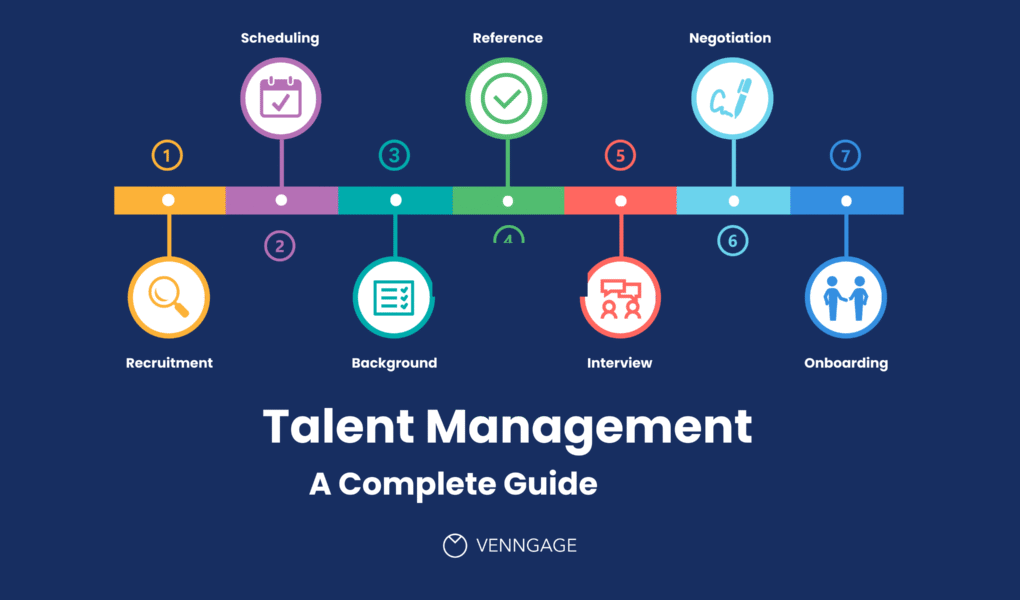
Finding and retaining top talent is more important than ever. To ensure that organizations are investing in the right people and fostering a high-performance culture, talent assessment for enterprises has become a critical strategy.
By using well-structured and effective employee talent assessment strategies, companies can identify, evaluate, and nurture the skills and potential of their workforce. This helps to build a more capable and engaged workforce while ensuring that the right talent is placed in the right roles.
What Is Talent Assessment for Enterprises?
Talent assessment for enterprises involves the use of various tools, methods, and strategies to evaluate the skills, knowledge, and potential of employees. This process helps organizations make informed decisions about hiring, promotions, training, and succession planning. Instead of relying solely on resumes or performance reviews, talent assessments provide a more objective and comprehensive view of an employee’s abilities and potential.
These assessments typically measure factors such as cognitive abilities, technical skills, soft skills, leadership potential, and cultural fit. By utilizing talent assessment tools, businesses can align their workforce capabilities with organizational goals, driving performance and success.
Why Talent Assessment Matters for Enterprises
In an ever-changing business environment, organizations must ensure they have the right people in the right roles. Talent assessment allows enterprises to make data-driven decisions, reducing the risk of poor hires and improving overall productivity.
Improved Hiring Decisions: Talent assessment provides valuable insights into an applicant’s skills, potential, and personality. By leveraging these insights, companies can make more informed hiring decisions and select candidates who are the best fit for the role and the company culture.
Enhanced Employee Development: Regular talent assessments allow organizations to identify employees’ strengths and weaknesses. This helps HR and leadership teams create targeted development plans that address skill gaps and nurture growth within the organization.
Effective Succession Planning: By assessing the potential of current employees, businesses can identify future leaders and high-potential candidates. This is essential for long-term organizational stability and growth, as it ensures that the company has a ready pool of talent to fill critical leadership positions.
Increased Employee Engagement: When employees know that their skills are being recognized and nurtured, they feel more valued and engaged. This leads to higher retention rates and greater job satisfaction.
Employee Talent Assessment Strategies
To make the most of employee talent assessments, organizations need to employ effective strategies that align with their overall business goals. Here are some key strategies for implementing a successful employee talent assessment process:
Define Clear Objectives
Before conducting talent assessments, it’s essential to define the goals and objectives. Are you assessing employees for potential leadership roles? Are you identifying training needs or improving team performance? By having clear objectives, organizations can ensure that the assessment process is aligned with their business needs.
Use a Mix of Assessment Tools
Employee talent assessments should not rely on just one tool. A combination of assessments can provide a more accurate picture of an employee’s capabilities. Common tools used in talent assessment include:
- Psychometric Tests: These measure cognitive abilities, personality traits, and behavioral preferences.
- Skills Assessments: These assess specific job-related skills, such as technical abilities, coding skills, or project management expertise.
- 360-Degree Feedback: This involves gathering feedback from multiple sources, including managers, peers, and subordinates, to evaluate an employee’s performance and behavior.
- Behavioral Interviews: These focus on evaluating how candidates have handled situations in the past, giving insight into how they might approach challenges in the future.
By using a variety of tools, businesses can gain a more comprehensive understanding of their employees and make better decisions.
Ensure Regular and Ongoing Assessments
Talent assessment should not be a one-time event. Conducting regular assessments allows organizations to track employee progress, identify new development needs, and adjust talent strategies as the business evolves. Ongoing assessments also ensure that employees are continuously learning and growing within the company.
Focus on Cultural Fit
While technical skills and experience are important, cultural fit is equally crucial. Employee talent assessments should evaluate whether candidates or existing employees align with the company’s values, mission, and work culture. A strong cultural fit leads to better team dynamics, higher job satisfaction, and reduced turnover.
Incorporate Development Plans
Once the assessments are completed, it’s important to follow up with actionable development plans. These plans should focus on addressing skill gaps and providing employees with opportunities for growth, such as training, mentorship, or new challenges. Development plans demonstrate to employees that the company is invested in their success, which boosts morale and performance.
Leverage Data and Analytics
Talent assessments generate a wealth of data that can be used for strategic decision-making. By analyzing the results, HR teams can identify trends, such as skill shortages or high-potential employees. This data can also be used for succession planning, resource allocation, and identifying talent pools for future hiring needs.
Benefits of Employee Talent Assessment for Businesses
Employee talent assessments offer numerous benefits that go beyond just hiring and development. Some of the most significant advantages include:
Better Decision Making: With data-backed insights into employee skills and potential, organizations can make better decisions about hiring, promotions, and team composition.
Optimized Workforce: By understanding each employee’s strengths and weaknesses, businesses can optimize team structures, allocate resources more effectively, and improve overall performance.
Enhanced Retention Rates: When employees feel their talents are being nurtured and developed, they are more likely to stay with the company, reducing turnover and its associated costs.
Improved Leadership Pipeline: Effective talent assessments identify high-potential employees who can be groomed for leadership roles. This creates a strong leadership pipeline and ensures the company has the right leaders in place to drive future growth.
Conclusion
Talent assessment for enterprises is a vital strategy for businesses looking to make data-driven decisions about their workforce. By utilizing employee talent assessment tools and strategies, organizations can improve hiring decisions, boost employee development, and foster a culture of growth and engagement.
A well-structured talent assessment process not only helps companies identify and nurture top talent but also supports long-term success by ensuring that the right people are in the right roles. Investing in talent assessments today can help businesses build a stronger, more capable workforce tomorrow.