
Modern chemical development continues to accelerate across industries such as pharmaceuticals, advanced materials, consumer goods, and environmental technologies. While innovation creates new possibilities, ensuring human safety remains a central responsibility for researchers and manufacturers. One of the most important areas of safety evaluation involves respiratory exposure.
The lungs provide a direct pathway into the body, allowing airborne particles, vapours, and gases to enter sensitive lung tissue and, in some cases, the bloodstream. Because of this, respiratory safety testing plays a critical role in evaluating the risks associated with chemicals and compounds before they are approved for use.
What is Respiratory Exposure?
Humans inhale large volumes of air every day, which means the respiratory system is constantly exposed to airborne substances in the environment. Unlike ingestion or skin contact, inhalation allows chemicals to enter the body rapidly through the lungs.
The respiratory tract is highly sensitive because its tissues are thin and designed for efficient gas exchange. When airborne particles are inhaled, their size and chemical properties determine how deeply they travel within the lungs. Some substances remain in the upper airways, while smaller particles can reach the bronchioles or alveoli.
These exposures may cause irritation, inflammation, or more serious long-term effects depending on the nature of the chemical. Because respiratory reactions vary significantly between substances, inhalation risks must be carefully studied during the early stages of development.
What Respiratory Safety Testing Involves
Respiratory safety testing focuses on understanding how inhaled chemicals affect both the lungs and the wider body. These studies are typically conducted during preclinical research before compounds move forward into human testing or commercial use.
Scientists conduct controlled experiments that evaluate how airborne substances behave and how biological systems respond to exposure. In many cases, researchers rely on specialised laboratory platforms that provide advanced preclinical toxicity testing solutions designed to measure inhalation risks accurately.
These studies may involve approaches such as laboratory models that simulate lung tissue, aerosol exposure systems that replicate real-world inhalation, and biological assessments that detect respiratory irritation or systemic toxicity.
The Role of Inhalation Toxicology
Inhalation toxicology is the scientific discipline that studies the harmful effects of substances that enter the body through breathing. It is particularly important for chemicals that can become airborne during production, handling, or everyday use.
Studies often examine immediate reactions to short-term exposure as well as the effects of repeated exposure over longer periods. Researchers also investigate how different concentrations of a chemical influence toxicity, which helps determine safe exposure levels.
Regulatory Importance of Respiratory Testing
Regulatory agencies require comprehensive safety data before approving new chemicals or pharmaceuticals. When products may be inhaled or generate airborne particles, inhalation toxicity testing becomes essential.
International regulatory frameworks ensure that testing follows consistent scientific standards. These guidelines help regulators evaluate whether a compound poses unacceptable risks and whether additional safety controls are necessary.
Protecting Workers and Communities
Respiratory safety testing supports occupational health by helping companies identify potential hazards in manufacturing environments. Workers in industries such as pharmaceuticals, chemicals, and materials science may encounter airborne dust, vapours, or aerosols during production.
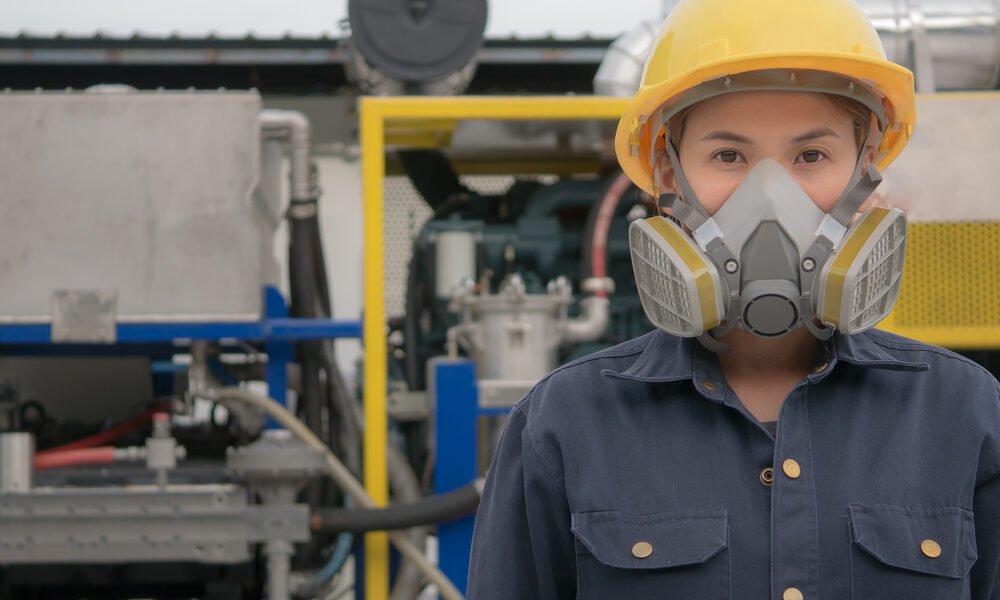
Testing allows researchers to determine safe exposure thresholds and develop appropriate safety measures such as ventilation systems, protective equipment, and monitoring protocols.
The Future of Safe Chemical Development
As industries continue to develop new materials, pharmaceuticals, and aerosol-based technologies, respiratory safety testing will remain a critical component of responsible innovation.
By evaluating respiratory hazards early in the development process, researchers can identify risks before chemicals reach the market. This helps protect workers, consumers, and communities while ensuring that innovation continues to move forward safely.