
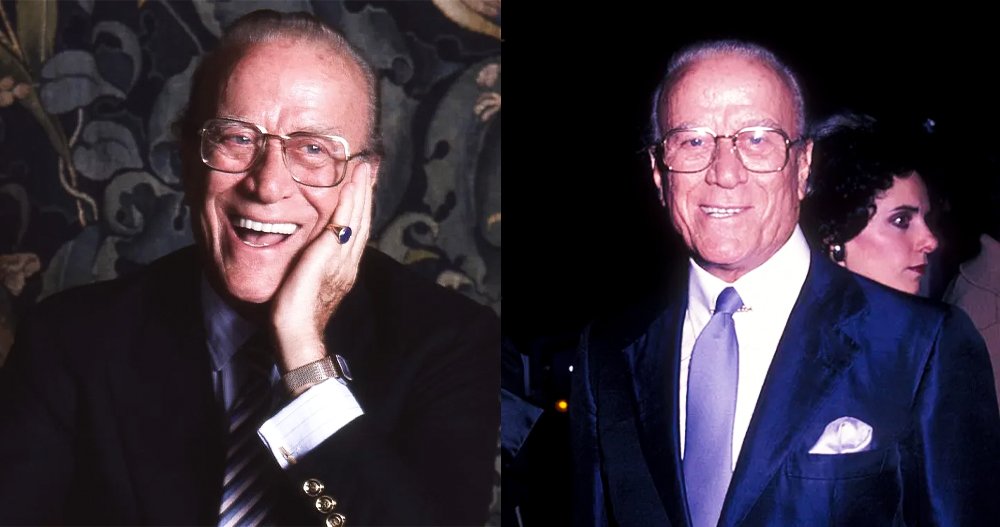
The name Gucci carries an undeniable weight in the world of luxury. Long before it became a modern fashion powerhouse seen on runways and red carpets, it was a family-driven enterprise shaped by strong personalities and bold decisions. Among those figures, Aldo Gucci stands out as one of the most influential and controversial. He was not merely an heir to a famous surname; he was a driving force who helped turn a respected Italian leather business into a global fashion empire. At the same time, his life was marked by personal conflict, legal troubles, and family divisions that would ultimately reshape the future of the Gucci brand.
Aldo Gucci’s story is one of ambition and vision, but also of excess and consequence. His journey reflects both the glamour and the cost of building a luxury dynasty.
Quick Bio
| Detail | Information |
|---|---|
| Full Name | Aldo Gucci |
| Date of Birth | May 26, 1905 |
| Place of Birth | Florence, Italy |
| Date of Death | January 19, 1990 |
| Age at Death | 84 years |
| Nationality | Italian |
| Occupation | Businessman, Fashion Executive |
| Known For | Expanding Gucci into a global luxury brand |
| Estimated Net Worth | Around $50 million |
| Height | Described as tall (exact height not publicly documented) |
| Children | Giorgio, Paolo, Roberto, Patricia Gucci |
| Social Media | No official social media presence |
Early Life and Background
Aldo Gucci was born on May 26, 1905, in Florence, Italy, a city deeply rooted in craftsmanship and artistic heritage. He grew up surrounded by leather goods, tradition, and the disciplined work ethic of his father, Guccio Gucci, who founded the Gucci brand in 1921. From a young age, Aldo was immersed in the daily rhythm of the family workshop, learning not only the technical aspects of the business but also the importance of quality and reputation.
Unlike many heirs who inherit leadership later in life, Aldo began working in the family business as a teenager. This early exposure gave him practical knowledge and confidence, shaping his belief that Gucci could grow far beyond its local origins. His education in economics further sharpened his business instincts, allowing him to think strategically about expansion, branding, and international markets.
Family Roots and Relationships
The Gucci family was both Aldo’s greatest advantage and his greatest challenge. As one of Guccio Gucci’s sons, Aldo shared the business with his siblings, a structure that would later fuel rivalry and conflict. Family ties were deeply interwoven with corporate control, and decisions were rarely just professional—they were personal.
Aldo married Olwen Price in 1927, and together they had three sons: Giorgio, Paolo, and Roberto Gucci. His family life appeared stable from the outside, but later developments revealed a far more complicated personal story. Years later, Aldo entered a relationship with Bruna Palombo, with whom he had a daughter, Patricia Gucci, born in 1963. This relationship remained largely hidden for years, adding emotional strain and legal complexity to his life and legacy.
Rise Within the Gucci Business
Aldo Gucci’s true influence emerged as he took on greater responsibility within the company. While his father laid the foundation, Aldo envisioned Gucci as an international symbol of luxury. He believed the brand’s craftsmanship deserved a global audience and worked tirelessly to expand its reach.
As chairman, Aldo played a central role in guiding Gucci through decades of growth. He focused on opening new stores, entering new markets, and positioning Gucci as a lifestyle brand rather than just a leather goods maker. His leadership style was confident and authoritative, often driven by instinct as much as strategy. This approach brought remarkable success, but it also created tension within the family as differing visions began to clash.
Building a Global Fashion Empire
Under Aldo Gucci’s leadership, the brand expanded far beyond Florence. Gucci stores appeared in major fashion capitals, and the brand became closely associated with wealth, status, and sophistication. Aldo understood that luxury was not only about the product itself, but also about image, exclusivity, and experience.
He helped establish Gucci as a prominent name in the United States, a market that would prove essential to the brand’s long-term success. By aligning Gucci with Hollywood, high society, and international elites, Aldo ensured the brand became part of global culture. This era marked Gucci’s transformation from a respected Italian house into a worldwide fashion empire.
Personal Style and Physical Appearance
Aldo Gucci’s presence reflected his position. He was often described as tall, elegant, and charismatic, carrying himself with the confidence of a man accustomed to power and influence. Although his exact height was never officially documented, those who knew him frequently noted his commanding physical presence and refined appearance.
His style aligned with the values of the Gucci brand—tailored suits, understated luxury, and a polished image. Aldo understood that leadership in fashion required not only vision but also personal embodiment of the brand’s ideals.
Lifestyle and Wealth
Success brought Aldo Gucci significant wealth and a lifestyle befitting a luxury patriarch. He traveled extensively, maintained residences in prestigious locations, and moved within elite social circles. His life reflected the glamour associated with Gucci, but it also mirrored the excesses that sometimes accompany great fortune.
At the time of his death in 1990, Aldo Gucci’s estimated net worth was around $50 million, a substantial sum that reflected decades of leadership and ownership within the brand. Adjusted for modern values, this figure would be significantly higher today. His wealth symbolized both his achievements and the immense scale of the empire he helped build.
Family Conflict and Internal Struggles
As Gucci grew, so did internal tension. Aldo’s relationships with his sons, particularly Paolo Gucci, became increasingly strained. Creative disagreements, power struggles, and competing ambitions created deep fractures within the family.
These conflicts were not confined to private conversations; they spilled into legal disputes and public controversies that damaged both family unity and brand stability. Aldo’s authoritative leadership style, once an asset, began to fuel resentment as younger generations sought greater control and recognition.
Scandal and Legal Troubles
The most dramatic turning point in Aldo Gucci’s life came in the 1980s, when he faced serious legal consequences. He was convicted of tax evasion in the United States, a case that shocked the fashion world. At an age when most industry leaders had long retired, Aldo was sentenced to prison, becoming a symbol of the darker side of luxury excess.
This scandal marked a profound fall from grace. The man who helped define Gucci’s golden era now faced public humiliation and personal loss. The case further weakened his influence within the company and accelerated the decline of family control over the brand.
Loss of Power and Final Years
Following legal troubles and ongoing family disputes, Aldo Gucci gradually lost control of the company he helped expand. His authority diminished as ownership shifted and external influences grew stronger. The Gucci brand would eventually move beyond family leadership entirely, entering a new corporate phase.
Aldo spent his final years largely removed from the world he once dominated. Though still deeply connected to the Gucci name, he no longer held the power or influence that had defined his life. He died on January 19, 1990, in Rome, at the age of 84, closing a chapter in fashion history that was both brilliant and tragic.
Social Media and Public Presence
Aldo Gucci lived long before the age of digital influence. He had no social media presence, no personal platforms, and no public self-promotion as understood today. His reputation was built through business decisions, personal relationships, and media coverage rather than online visibility.
In the modern era, his name continues to appear through documentaries, films, and historical discussions, reminding new generations of the man behind the empire.
Legacy in Fashion and Culture
Aldo Gucci’s legacy is complex and enduring. He is remembered as a visionary who helped shape modern luxury branding, expanding Gucci into an internationally recognized name. At the same time, his life serves as a cautionary tale about the costs of ambition, unchecked power, and family conflict.
His influence remains embedded in Gucci’s identity, from its global reach to its association with prestige. Even today, conversations about the Gucci family often return to Aldo, the patriarch who helped define an era.
Final Reflection
Aldo Gucci was more than a businessman; he was a symbol of luxury’s promise and its peril. His life combined success and scandal, innovation and excess, family devotion and family division. The fashion empire he helped build continues to thrive, but the personal story behind it reminds us that greatness often comes with a price.
Through ambition and vision, Aldo Gucci left an indelible mark on fashion history—one that continues to shape how the world understands luxury today.
READ MORE: Bianca Kanye Wife: Meet Bianca Censori, Kanye West’s Wife
FAQs
Who was Aldo Gucci?
Aldo Gucci was an Italian businessman and one of the key figures responsible for turning Gucci into a global luxury fashion empire. He played a central leadership role for decades and helped establish the brand internationally.
How old was Aldo Gucci when he died?
Aldo Gucci was 84 years old at the time of his death in 1990, after a long life shaped by business success, controversy, and family conflict.
What was Aldo Gucci’s net worth?
At the time of his death, Aldo Gucci’s estimated net worth was around $50 million, reflecting his long-term ownership and leadership within the Gucci brand.
Did Aldo Gucci go to prison?
Yes, Aldo Gucci served time in prison in the 1980s after being convicted of tax evasion in the United States, a scandal that significantly affected his public image and authority.
Is Aldo Gucci still connected to the Gucci brand today?
Aldo Gucci is no longer directly connected to the brand, but his influence remains part of Gucci’s history and identity, as he helped shape its global presence.