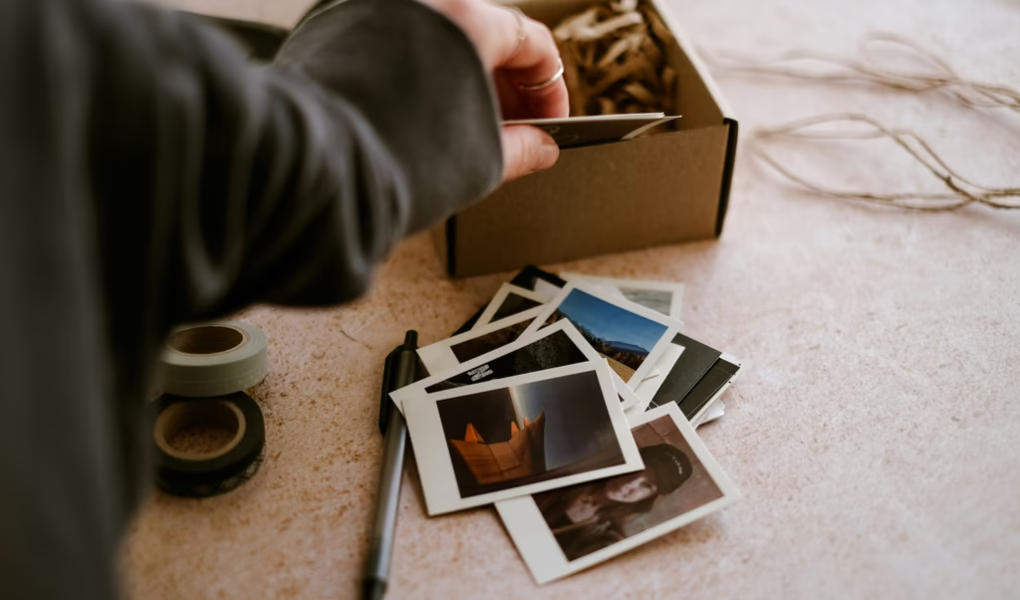
If you’re anything like me, there’s a special kind of magic hiding in those dusty family albums or that box of loose Polaroids up in the closet. Maybe you’ve got pictures from a summer lake trip fifty years ago, or that classic wedding snapshot where everybody’s hair is… well, let’s call it ambitious. Even if you’re living in an assisted living community now, those images tug at your heartstrings and keep history alive, one quirky grin at a time.
But real talk: photos aren’t immortal. And trusting fate (or attic temperatures) with your only copies? Not usually the best plan. So how do you keep those memories safe for yourself and everyone who’ll come after?
Handle With Kindness (and Clean Hands)
When you’re flipping through stacks of old photos, take a minute to wash and thoroughly dry your hands. Fingerprints and skin oils can speed up the fading process. For really important or fragile images, it never hurts to wear soft cotton gloves. Sure, it sounds fancy, but your future self (and maybe your grandkids) will thank you.
Ditch Old Shoeboxes for Archival Storage
It might feel charming to keep those pictures in a shoebox, but shoe glue and cardboard aren’t great for preserving delicate pictures. Look for acid-free photo boxes, sleeves, or albums instead. They keep photos from sticking, yellowing, or collecting that stubborn smell old basements are famous for.
Keep Away From Light, Heat, and Humidity
Photos are a little bit like houseplants—they need the right environment. Avoid keeping them in bright sunlight, damp basements, or steamy attics where the seasons do wild things. A cool, dry closet or sturdy dresser drawer is perfect. Bonus: you’ll probably look through them more often when they’re close at hand.
Go Digital—Just in Case
The truth is, even carefully kept photos can go missing or suffer surprises (think: coffee spills, unexpected floods). Scanning them onto a computer or even snapping pics with your phone creates a digital backup—insurance you hope you’ll never need. There are apps and scanners made just for old photos, and some drugstores offer digitizing services. Once you’ve got digital copies, share them with faraway family, or print extras for a little peace of mind.
Label and Tell the Stories
Future generations probably won’t recognize that cousin in the bellbottoms without a little context. Write names, places, and dates on the back of each photo using a soft pencil (not a pen, which can bleed through). Share the stories behind the pictures, too—maybe record a little audio, type a quick note, or gather everyone for a story night. That’s half the fun.
So, make a pot of tea, pull up a chair, and spend a little time reliving and preserving the best bits of your story. Those old photos? They’re more than just paper—they’re the heart of who we are.