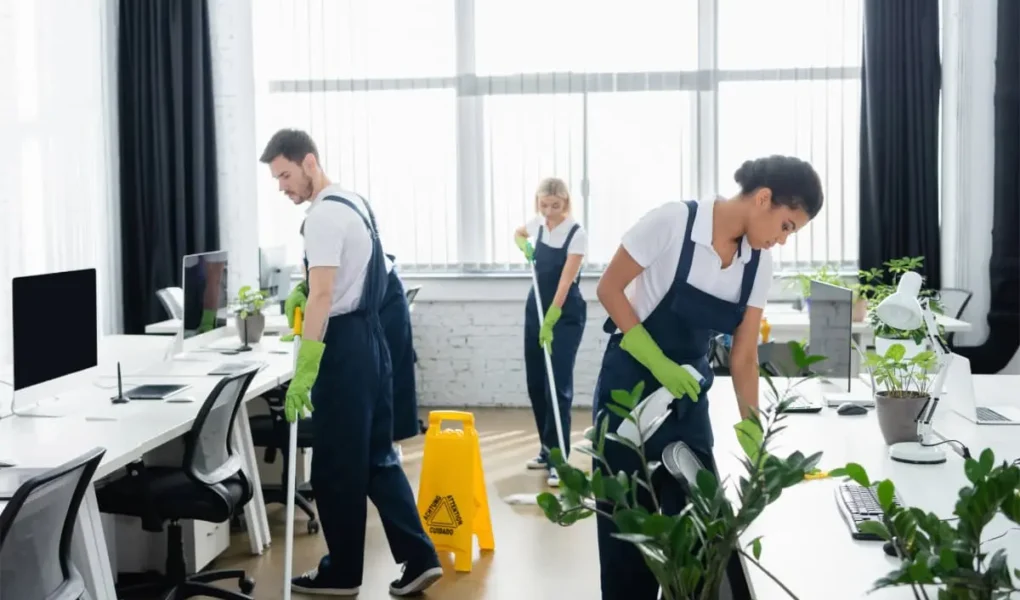
Commercial spaces are very good at hiding problems. On the surface, everything might look fine. Floors are intact. Desks are standing. The lights turn on. From a distance, it feels functional enough.
But underneath that “good enough” exterior, neglect has a way of quietly piling up—especially when commercial cleaning is treated as optional instead of essential.
Unlike obvious maintenance issues, poor cleaning rarely announces itself with alarms or flashing lights. Instead, it works slowly, affecting health, safety, productivity, reputation, and even long-term costs. By the time it becomes visible, the damage is often already done.
Let’s take a closer look at the hidden risks of neglecting regular commercial cleaning—and why cutting corners here almost always costs more in the long run.
Cleanliness Directly Impacts Workplace Health
Germs Don’t Respect Office Hours
Offices, retail spaces, warehouses, and shared facilities are high-contact environments. Door handles, keyboards, breakrooms, restrooms—these are perfect breeding grounds for bacteria and viruses.
Without consistent commercial cleaning, pathogens linger longer than most people realize. Surfaces that look clean can still host harmful microbes, quietly contributing to the spread of illness.
The result?
- More sick days
- Reduced productivity
- Increased strain on teams
A workplace doesn’t need to look dirty to be unhealthy. It just needs to be neglected long enough.
Air Quality Suffers Faster Than You Think
Dust Isn’t Just an Aesthetic Problem
Dust, allergens, and airborne particles accumulate quickly in commercial environments—especially in places with high foot traffic or HVAC systems that work overtime.
Neglecting regular commercial cleaning allows these particles to circulate, affecting indoor air quality. Employees may notice:
- Headaches
- Allergies
- Fatigue
- Difficulty concentrating
Poor air quality doesn’t usually trigger immediate complaints. It quietly lowers comfort and performance over time.
Ironically, the cleaner a space looks, the easier it is to overlook what’s floating through the air.
Productivity Drops in Subtle but Real Ways
Mess Signals Neglect—Even When No One Says It
People are influenced by their environment more than they like to admit. Cluttered, dusty, or poorly maintained spaces create low-level stress that adds up over time.
Employees in neglected environments often experience:
- Reduced focus
- Lower morale
- Less pride in their workspace
No one walks into a dirty office thinking, “Great, I’m going to do my best work today.”
Regular commercial cleaning reinforces professionalism, structure, and care—signals that employees subconsciously respond to.
First Impressions Can Be Lost in Seconds
Clients Notice More Than You Think
Visitors rarely comment on cleanliness when it’s done well. They only notice when it’s not.
Smudged glass, dusty corners, overflowing bins, or neglected restrooms all send the same message: details aren’t a priority here.
For client-facing businesses, this can quietly erode trust. People may not articulate it, but they feel it.
In competitive industries, perception matters. Commercial cleaning isn’t just about hygiene—it’s about reputation.
Safety Risks Increase Over Time
Clean Floors Are Safer Floors
Neglected cleaning doesn’t just look bad—it can become dangerous.
Spills that aren’t addressed promptly increase slip risks. Dust buildup on surfaces and equipment can create fire hazards in certain environments. Cluttered areas obstruct walkways and exits.
Regular commercial cleaning helps maintain safer conditions by:
- Reducing slip and fall risks
- Keeping exits clear
- Preventing buildup of hazardous materials
Safety issues don’t always come from dramatic accidents. Often, they come from small things ignored repeatedly.
Equipment and Surfaces Wear Out Faster
Dirt Is Abrasive—And Persistent
Dust, grime, and residue don’t just sit there politely. They grind into surfaces, shorten the lifespan of flooring, furniture, and equipment, and increase maintenance costs.
Carpets deteriorate faster. Floors lose their finish. Equipment vents clog. Surfaces stain permanently.
Routine commercial cleaning acts as preventative maintenance. Skipping it may save money short-term, but it accelerates wear and replacement costs over time.
Cleanliness protects assets, not just appearances.
Pest Problems Start Quietly
Pests Love Neglected Spaces
Food crumbs, trash buildup, and hidden residue are invitations. Pests don’t need a mess—they need opportunity.
Once pests establish themselves, removal becomes far more expensive and disruptive than prevention ever was.
Regular commercial cleaning reduces attractants and helps identify early warning signs before a minor issue becomes a full-scale problem.
Compliance Risks Can Add Up
Regulations Don’t Care About Intentions
Many industries are subject to hygiene, safety, or cleanliness regulations. Healthcare, food service, manufacturing, and even office environments face standards that must be met consistently.
Neglecting commercial cleaning can lead to:
- Failed inspections
- Fines or penalties
- Operational disruptions
Compliance issues often stem from accumulation, not one-time failures. Regular cleaning keeps businesses aligned with expectations without last-minute panic.
Employee Retention Is Affected More Than You’d Expect
People Leave Environments That Feel Neglected
Workplace culture isn’t built only on policies and perks. It’s shaped by everyday conditions.
Employees notice when management invests in a clean, well-maintained space—and when it doesn’t.
Over time, neglect sends an unintended message: “This place doesn’t care.”
Commercial cleaning supports retention by reinforcing respect for the people who work there. It’s a quiet signal, but a powerful one.
Emergency Cleaning Costs More Than Routine Care
Reactive Is Always More Expensive Than Proactive
When cleaning is neglected, issues eventually demand urgent attention. Deep cleans. Restoration. Remediation.
These reactive solutions cost more, disrupt operations, and often require downtime.
Regular commercial cleaning spreads costs evenly, prevents emergencies, and keeps spaces consistently functional instead of periodically chaotic.
Cleanliness Supports Brand Identity
Your Space Is Part of Your Brand
Whether you’re running a corporate office, retail store, or shared facility, your physical environment reflects your brand values.
Clean spaces communicate professionalism, reliability, and care. Neglected spaces communicate the opposite—even if unintentionally.
Commercial cleaning supports branding not through logos or slogans, but through experience.
Why These Risks Are Easy to Ignore
Gradual Decline Feels Normal—Until It Isn’t
The biggest danger of neglecting commercial cleaning is how quietly the consequences build. There’s no single moment where everything suddenly goes wrong.
Instead, standards slip gradually. People adapt. Problems become “normal.”
Until they aren’t.
At that point, reversing the damage takes more effort, more money, and more disruption than regular maintenance ever would have.
The risks of neglecting regular commercial cleaning aren’t dramatic—but they are serious. They affect health, safety, productivity, reputation, and long-term costs in ways that are easy to underestimate and hard to undo.
Cleanliness isn’t about perfection. It’s about consistency.
In commercial environments, regular cleaning isn’t a luxury or an aesthetic choice. It’s a foundational part of running a responsible, resilient business.
And the truth is simple: the cleanest workplaces rarely talk about cleaning at all. They just quietly benefit from it every single day.