Becoming confident at DIY is about far more than picking up a hammer and hoping for the best. It is a skill that develops over time through patience, preparation, and a willingness to learn. Whether you are hoping to save money, personalise your living space, or simply enjoy the satisfaction of building something yourself, taking the right approach from the start can make all the difference.
Successful DIYers are not necessarily professionals. They are people who understand their tools, respect the process, and focus on creating results that are both safe and long-lasting.
Start With the Basics
Before diving into ambitious projects, it is wise to master the fundamentals. Simple tasks such as putting up shelves, assembling flat-pack furniture, or repairing loose fixtures help you build confidence while teaching essential techniques.
These smaller projects also allow you to become familiar with measuring accurately, drilling correctly, and working with different materials. Developing these core skills reduces the likelihood of costly mistakes when you eventually move on to more complex builds.
Remember, every experienced DIYer started as a beginner.
Get to Know Your Tools Inside and Out
One of the most important steps in becoming capable at DIY is learning how your tools work. Understanding when to use a drill versus an impact driver, or a hand saw versus a circular saw, can dramatically improve both efficiency and safety.
Equally important is becoming familiar with the differences between screws, nuts, and bolts. Each serves a distinct purpose, and choosing the right fastening method helps ensure your project remains secure over time. For example, when joining heavier materials or assembling structures that must handle weight, it is often best to use a bolt with a nut rather than relying solely on screws. This combination creates a tighter, more dependable connection and reduces the risk of movement.
Knowing these distinctions gives you greater control over the quality of your work and helps your finished projects feel more professional.
Invest in Quality Equipment
While it may be tempting to purchase the cheapest tools available, quality equipment is usually worth the investment. Well-made tools tend to last longer, perform better, and provide cleaner results.
You do not need to buy everything at once. Start with essentials such as a reliable drill, a tape measure, a level, a hammer, and a set of screwdrivers. As your skills expand, you can gradually add more specialised tools to your collection. You can think of your toolkit as something that grows alongside your ability.
Learn the Value of Preparation
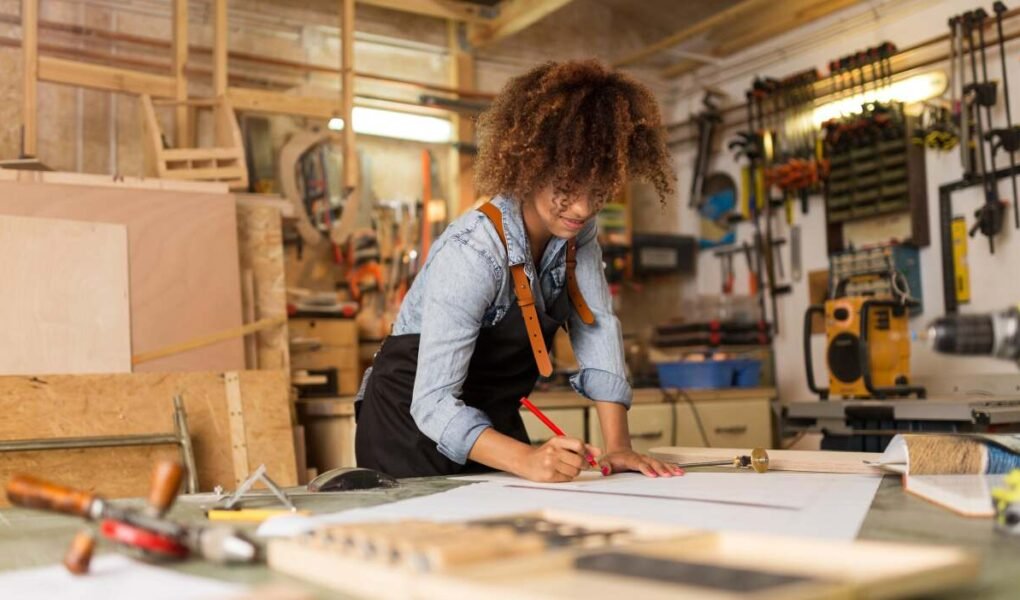
Preparation is often what separates a smooth project from a stressful one. Taking the time to plan, measure carefully, and gather all necessary materials can prevent frustrating interruptions once work begins.
Always read instructions thoroughly and double-check your measurements before cutting or drilling. The well-known phrase “measure twice, cut once” has endured for a reason. A little extra care at the beginning often saves significant time later.
Put Safety First
DIY should be rewarding, not risky. Wearing protective gear, such as safety glasses and gloves, can help prevent injuries, while keeping your workspace tidy reduces the risk of accidents.
It is also important to recognise your limits. Some tasks involving structural changes, electrical work, or plumbing may require professional expertise. Knowing when to call in a specialist is a sign of good judgement, not failure.
Enjoy the Satisfaction of Creating Something Yourself
Few things compare to the feeling of stepping back and admiring a project you completed with your own hands. However, you must see that becoming a DIYer is not about perfection. It is about growth, capability, and the pride that comes from turning your ideas into reality.