
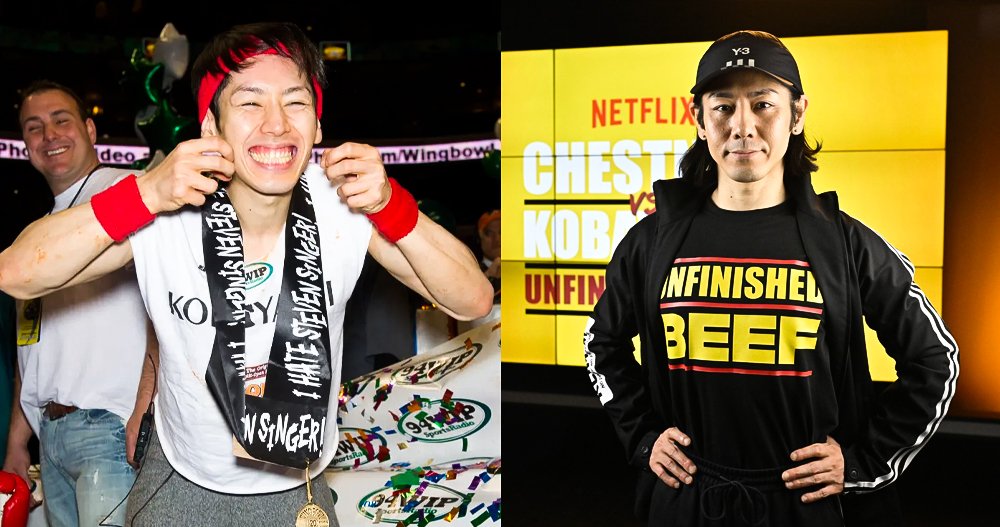
Takeru Kobayashi is widely regarded as one of the most influential figures in competitive eating history. For many fans, his name is inseparable from the dramatic rise of the Nathan’s Hot Dog Eating Contest in the early 2000s. At a time when competitive eating was still viewed as a novelty, Kobayashi transformed it into a serious spectacle built on preparation, discipline, and technique. His performances were not only record-breaking but also culture-shifting, helping the sport gain international attention.
Calm, focused, and often soft-spoken, Kobayashi did not fit the stereotype many people associated with competitive eaters. Yet his dominance forced audiences to reconsider what was possible. He became a symbol of innovation in a field that had long relied on size and brute force.
Quick Bio
| Attribute | Details |
|---|---|
| Full Name | Takeru Kobayashi |
| Date of Birth | March 15, 1978 |
| Age (2026) | 47 Years |
| Birthplace | Nagano, Japan |
| Nationality | Japanese |
| Profession | Former Competitive Eater |
| Height | 5 ft 8 in (1.73 m) |
| Weight (During Career) | Approx. 128–148 lbs |
| Marital Status | Married |
| Spouse | Maggie James |
| Estimated Net Worth | Around $3 Million |
| Known For | Six-Time Nathan’s Champion |
| Active Years | 2000–2024 |
Early Life and Background
Takeru Kobayashi was born on March 15, 1978, in Nagano, Japan. Growing up in a mountainous region known for its natural beauty and strong community culture, he lived a relatively ordinary childhood before stepping into the public eye. While there is limited publicly detailed information about his siblings or extended family, it is known that his upbringing was modest and grounded.
Before fame, Kobayashi was a college student searching for direction. His entry into competitive eating was not part of a grand plan but rather an unexpected opportunity. In 2000, he participated in a Japanese television competition focused on eating challenges. His performance stunned audiences and marked the beginning of a career that would soon cross international borders.
The Breakthrough at Nathan’s
Kobayashi’s defining moment came in 2001 when he traveled to the United States to compete in the Nathan’s Famous Hot Dog Eating Contest at Coney Island. At the time, the contest was a long-standing Fourth of July tradition but had not yet reached global mainstream status.
In his debut appearance, Kobayashi consumed 50 hot dogs in 12 minutes, nearly doubling the previous record. The result shocked spectators, commentators, and even fellow competitors. It was not simply a win; it was a dramatic redefinition of what a winning performance looked like.
He went on to win the contest six consecutive times from 2001 to 2006. During those championship years, his consistency and growing numbers turned him into the face of the event. His name became synonymous with Independence Day headlines, and his presence helped bring new sponsors, television coverage, and international curiosity to the competition.
Technique and Innovation
One of the key reasons behind Kobayashi’s success was his methodical approach. Rather than relying purely on speed or appetite, he developed a system that maximized efficiency. He separated the hot dogs from their buns and softened the bread in water to make swallowing faster and smoother. This approach later became known as the “Solomon Method.”
His strategy also included rhythmic movements, precise timing, and controlled breathing. Observers often described him as operating with mechanical focus, treating each contest like a carefully rehearsed performance. His technique influenced a new generation of competitive eaters who began to train not just for capacity but for speed, coordination, and endurance.
Physical Appearance and Build
Standing approximately 5 feet 8 inches tall, Kobayashi’s lean build surprised many viewers during his early appearances. In an arena where larger competitors were common, his relatively compact frame challenged assumptions about who could dominate.
At the height of his competitive career, his weight reportedly fluctuated depending on training cycles, but he maintained a disciplined regimen outside of contests. His physical appearance became part of his mystique, reinforcing the idea that technique and preparation could outweigh sheer size.
Despite the extreme nature of his performances, Kobayashi was known for maintaining an otherwise controlled lifestyle during his prime years. Preparation involved stretching the stomach safely through structured practice sessions, but he avoided continuous overeating outside of competition.
Rivalry and Public Attention
No discussion of Kobayashi’s career would be complete without mentioning his rivalry with Joey Chestnut. The clash between the two competitors became one of the defining storylines in competitive eating history. Their contests were framed as battles between styles, cultures, and eras.
When Chestnut eventually defeated Kobayashi in 2007, it marked the end of an extraordinary streak and the beginning of a new chapter for the sport. Contract disputes and disagreements later kept Kobayashi from competing at certain events, adding further drama to the rivalry.
Years later, their unfinished competitive narrative remained compelling enough to generate renewed public interest. The rivalry elevated both competitors and solidified Kobayashi’s status as a foundational figure in the sport’s modern era.
Records Beyond Hot Dogs
Although he is most famous for hot dogs, Kobayashi’s achievements extended far beyond a single food category. Throughout his career, he set records in events involving hamburgers, bratwursts, dumplings, and other foods. His versatility demonstrated that his skills were transferable and not limited to one signature contest.
These performances reinforced his reputation as a disciplined competitor rather than a one-event specialist. Fans admired not just the quantity he consumed but the consistent precision with which he approached every challenge.
Personal Life and Family
Takeru Kobayashi is married to Maggie James. She has been described as supportive and closely involved in his professional journey. While some aspects of his personal life have been shared publicly, he has generally maintained privacy regarding extended family details.
Publicly available information about siblings or children remains limited. Kobayashi has tended to keep family matters away from media attention, choosing instead to focus public conversations on his career and health.
His personality off stage has often been described as thoughtful and reflective. Interviews over the years have shown a competitor who is aware of the physical demands of his profession and willing to speak candidly about its impact.
Health Challenges and Retirement
Competitive eating at an elite level carries physical risks. Over time, Kobayashi acknowledged the toll the sport had taken on his body. Years of pushing his limits affected his relationship with hunger and fullness, sensations that most people take for granted.
In 2024, he publicly addressed his decision to step away from competitive eating, citing health concerns and a desire to prioritize long-term well-being. The announcement shifted public focus from his records to his humanity. Rather than being remembered solely for astonishing numbers, he was seen as someone confronting the consequences of years spent performing at the extreme edge of endurance.
Retirement did not erase his legacy. Instead, it offered a moment of reflection on how far the sport had come and the role he played in shaping it.
Net Worth and Earnings
Over the course of his career, Kobayashi earned income through prize winnings, endorsement deals, sponsorship agreements, and television appearances. While estimates commonly place his net worth at around three million dollars.
Financial success in competitive eating depends heavily on visibility and branding. Kobayashi’s international fame allowed him to capitalize on media opportunities beyond the contest stage. His image became recognizable even to people who had never watched a full competition.
Social Media and Public Presence
In the digital age, public figures often maintain connections with fans through social media. Kobayashi has maintained an online presence, particularly on Instagram, where he shares glimpses of his life beyond competitive eating. His posts often reflect a calmer pace compared to the intense energy of contest days.
Through social platforms, fans can see a more personal side of the former champion. Rather than constant self-promotion, his content tends to feel understated and reflective, consistent with his on-stage demeanor.
Lifestyle After Competition
Life after professional competition appears to be centered on balance and health. Kobayashi has spoken about rediscovering food as nourishment rather than performance. That shift represents a meaningful transition for someone whose fame was built on extreme consumption.
Away from the spotlight, he has explored media projects, interviews, and public appearances that focus on storytelling rather than spectacle. The tone of these appearances suggests a man who views his career with both pride and perspective.
Fun Details and Lasting Influence
One of the most fascinating aspects of Kobayashi’s legacy is how his methods reshaped the sport. Techniques he introduced are now standard practice among competitors. His calm concentration during events became a model for aspiring eaters who realized that composure could be as powerful as aggression.
He also demonstrated that international competitors could redefine an American tradition. By winning on one of the most iconic U.S. holiday stages, he expanded the sport’s cultural reach.
His nickname, often shortened to “Kobi,” became widely recognized during his championship years. The combination of humility and dominance created a compelling public image that resonated far beyond the contest platform.
Conclusion
Takeru Kobayashi’s story is about more than hot dogs or records. It is about innovation, discipline, and the willingness to challenge expectations. Born in Nagano in 1978 and rising to global fame in his early twenties, he built a legacy that permanently altered competitive eating.
At 47 years old, he stands as a retired champion whose impact continues to shape the sport. With six consecutive Nathan’s titles, multiple world records, a disciplined approach to technique, and a candid reflection on health, his journey offers both inspiration and caution.
Kobayashi remains one of the most important names in competitive eating history. His career combined spectacle with strategy, fame with restraint, and triumph with reflection. For many fans, he will always be remembered as the competitor who changed the game and left it transformed.
READ MORE: Joe Mazzello’s Journey Through Hollywood
FAQs
How old is Takeru Kobayashi?
Takeru Kobayashi was born on March 15, 1978. As of 2026, he is 47 years old and will turn 48 in March.
How tall is Takeru Kobayashi?
He stands approximately 5 feet 8 inches tall, a height that surprised many fans during his competitive prime because he competed against larger rivals.
What is Takeru Kobayashi’s net worth?
His estimated net worth is around $3 million. His earnings came from competition winnings, sponsorships, television appearances, and media projects.
Is Takeru Kobayashi married?
Yes, Takeru Kobayashi is married to Maggie James. He has generally kept most details about his private family life away from public attention.
Why did Takeru Kobayashi retire?
He stepped away from competitive eating due to health concerns and the long-term physical effects of extreme competition. His decision reflected a desire to prioritize overall well-being.