
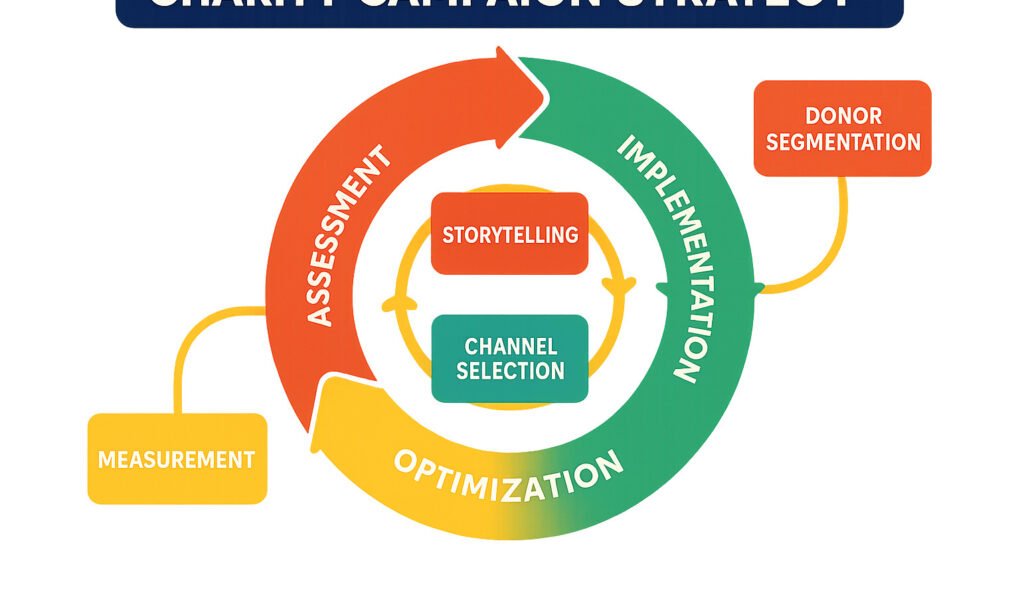
For charities, marketing success isn’t just about raising awareness. It’s about building genuine relationships with the people who support your cause. A donor-centred marketing strategy puts supporters first by focusing on their motivations, preferences and experiences. When donors feel valued and understood, they are more likely to stay engaged and contribute over the long term.
Understand Your Audience and What Motivates Them
Every charity has a diverse donor base, and understanding who your supporters are is the first step towards effective marketing. People give to charities for different reasons. Some are emotionally motivated by stories of change, while others prefer to see measurable results and transparent reporting.
Start by reviewing your existing donor data. Look at giving patterns, communication responses and engagement levels. Surveys and feedback forms can also help you learn more about what matters to your supporters.
Building donor personas can help your team create targeted campaigns. When messaging feels relevant and personal, donors are more likely to respond positively.
Create Meaningful Content That Shows Impact
Donors want to know how their contributions are making a difference. Instead of focusing solely on fundraising requests, communicate the outcomes of your work. Share stories that demonstrate real-life change and highlight the people your charity supports.
Transparency builds trust. Provide updates on how donations are spent and what projects have been achieved. Impact reports, case studies and short video updates are excellent ways to reinforce credibility.
If you want some practical ideas to strengthen your fundraising outreach, you can explore ways to attract new donors to your charity through smarter campaign planning and engagement techniques.
Use Storytelling to Build Emotional Connections
Storytelling is one of the most powerful tools in charity marketing. People remember stories far more easily than statistics alone. Share authentic experiences that show how your work changes lives.
Consider using a mix of communication formats, such as social media posts, newsletters and short-form video content. Consistency helps maintain engagement, but variety keeps your audience interested.
Focus on real people, real challenges and real outcomes. Authentic storytelling strengthens emotional connection and encourages long-term supporter loyalty.
Personalise Donor Communication
Modern marketing technology makes personalisation easier than ever. Address donors by name in emails and tailor messages based on their giving history or engagement behaviour.
Segment your audience into groups such as new donors, regular supporters and inactive givers. Each group should receive relevant communication that reflects their relationship with your organisation.
Personalisation shows donors that they are valued partners rather than just financial contributors.
Make Supporting Your Charity Simple and Accessible
Donation processes should be straightforward and user-friendly. Ensure your website is mobile-optimised, secure and easy to navigate. Provide multiple payment options to accommodate different preferences.
After receiving donations, send thank-you messages and updates explaining how contributions are used. Showing gratitude improves donor satisfaction and increases the likelihood of future giving.
Focus on Long-Term Donor Relationships
Successful charities think beyond one-time donations. Building ongoing relationships with supporters is essential for sustainable funding.
Regular newsletters, volunteer opportunities and community updates help maintain engagement. Small personal touches, such as milestone acknowledgements or appreciation messages, can make donors feel genuinely connected to your mission.
By prioritising donor experience, your charity can develop a stronger, more sustainable marketing approach. A donor-centred strategy not only supports fundraising goals but also builds a community of passionate supporters who believe in your cause.