
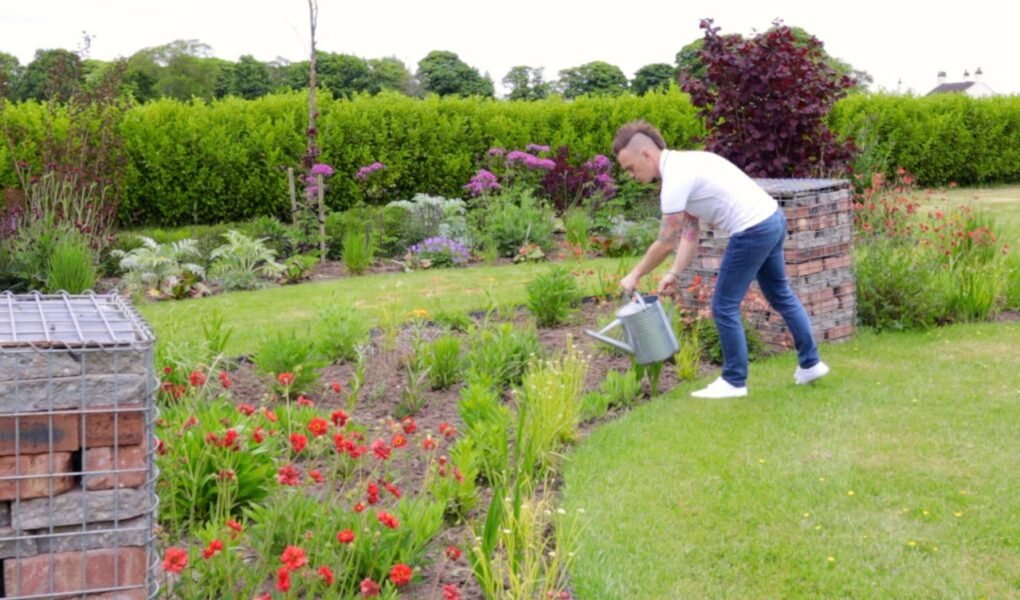
Every year, millions of Britons invest time, money, and effort into their gardens — only to watch plants struggle, lawns turn patchy, or hard work go to waste.
The UK’s famously unpredictable weather already makes gardening challenging enough, but many problems stem from simple maintenance mistakes. It’s easy to fall into habits that seem sensible, but end up harming your garden.
In this article, we reveal the top 10 gardening mistakes — and more importantly, we’ll show you exactly how to avoid them. Steer clear of these errors, and you’ll create a beautiful garden that thrives year after year.
1. Overlooking Soil Health from the Start
Healthy gardens begin below the surface, yet soil is often treated as an afterthought. Poor soil structure or depleted nutrients can limit growth before plants even have a chance to establish themselves.
Taking the time to improve your soil pays off quickly. Adding compost or well-rotted manure enhances both texture and fertility, allowing roots to grow freely and access nutrients more efficiently.
In many parts of the UK, where clay or sandy soils are common, this step is particularly important.
A simple soil test can also provide useful insight, helping you understand what your garden actually needs rather than relying on guesswork. When the soil is right, everything else becomes noticeably easier.
2. Watering Too Much, Too Often
It is a common assumption that more water equals healthier plants. In reality, overwatering is one of the quickest ways to weaken them.
In the UK, where rainfall is relatively consistent, many gardens receive more than enough natural moisture. Adding extra water without checking the soil can lead to root rot and increased pest activity.
Instead, adopt a more measured approach. Check the soil before watering and focus on deep, occasional watering rather than frequent light sprinkles. This encourages roots to grow deeper and become more resilient, particularly during drier spells.
3. Ignoring Seasonal Changes and Timing
British weather is famously unpredictable, and ignoring seasonal shifts can leave your garden struggling to keep up.
Each season brings its own priorities. Spring is ideal for planting and dividing, summer for maintenance and watering, autumn for tidying and soil improvement, and winter for protection and planning. Missing these windows often results in more work later on.
Keeping a simple seasonal rhythm helps you stay ahead of problems. Rather than reacting to issues as they arise, you begin to anticipate them. That is where gardening starts to feel far more manageable.
4. Using the Wrong Tools for the Job
Gardening should feel efficient, not exhausting. Using the wrong tools—or poorly maintained ones—can quickly turn simple tasks into unnecessarily difficult work.
Blunt pruners can damage plants rather than cleanly cutting them, while oversized tools make precision tasks harder than they need to be. Investing in a few reliable, well-suited tools makes a noticeable difference to both results and effort.
Regular maintenance matters too. Cleaning, sharpening, and storing tools properly ensures they last longer and perform better, saving both time and money in the long run.
5. Planting Invasive Species Without Realising
Some plants may look appealing at first glance, but can quickly become a long-term problem. In the UK, invasive species such as Japanese knotweed, Himalayan balsam, and giant hogweed are particularly troublesome.
Once established, they spread aggressively. On top of that, they are difficult—and often costly—to remove. This can disrupt not only your garden but also the surrounding environment.
Opting for native or well-behaved plants is a far safer choice. Varieties like foxgloves, primroses, and bluebells thrive in UK conditions while supporting local wildlife.
6. Neglecting Early Pest Control
Pests rarely become a serious issue overnight. More often, they build up gradually, going unnoticed until the damage is difficult to ignore.
Regularly checking your plants allows you to spot early warning signs, such as discoloured leaves or small holes. Acting at this stage is far easier than dealing with a full infestation.
Natural methods—such as encouraging ladybirds or using gentle treatments like neem oil—help maintain balance without overwhelming your garden with chemicals. A healthy garden is not pest-free, but it is well-managed.
7. Skipping Mulching Altogether
Mulching is one of the simplest yet most overlooked gardening practices. Without it, soil loses moisture more quickly, weeds establish themselves faster, and plants face greater stress during temperature changes.
Applying a layer of organic mulch helps retain moisture, regulate soil temperature, and gradually improve soil quality as it breaks down. It is a small step that delivers lasting benefits.
In practical terms, mulching also reduces workload. With fewer weeds to manage and less frequent watering required, your garden becomes easier to maintain over time.
8. Planting Without Considering Space and Growth
It is easy to underestimate how much space plants will need once they mature. What begins as a neat arrangement can quickly become overcrowded, leading to poor airflow, increased disease risk, and uneven growth.
Taking plant spacing into account from the start prevents the need for constant pruning or replanting later on. It also allows each plant to develop properly, both above and below ground.
A little patience here goes a long way. Giving plants room to grow results in a garden that feels more intentional and far less chaotic as the seasons progress.
9. Forgetting to Prune and Maintain Regularly
A garden left entirely to its own devices rarely thrives. Without regular pruning and maintenance, plants can become overgrown, misshapen, or less productive.
Light, consistent care is far more effective than occasional heavy intervention. Removing dead growth, shaping plants, and keeping things tidy encourages healthier development. It actually improves the overall appearance of your space.
Over time, this routine becomes second nature—a quiet, steady rhythm rather than a demanding task.
10. Expecting Instant Results
Perhaps the most common mistake is expecting a garden to come together too quickly. Gardening is, by nature, a gradual process.
Plants need time to establish, adapt, and grow into their surroundings. Early setbacks are part of the learning curve, not a sign of failure.
If you’re feeling a bit overwhelmed by all the moving parts, that’s totally fine, and there’s no shame in calling in the experts. Professional gardening services can help you avoid common garden maintenance mistakes.
Hiring a trusted gardener in your area means you can enjoy your outdoor space without the stress. It’s a simple way to save time, reduce mistakes, and still learn a trick or two from the pros along the way.
Approaching gardening with patience makes the experience far more enjoyable. Instead of rushing towards results, you begin to appreciate the small changes that happen along the way.
Conclusion
Avoiding these ten common garden maintenance mistakes won’t turn you into an overnight expert, but it will dramatically improve your chances of success.
The key takeaway is simple: a little knowledge and consistent good habits go a long way. So next time you head out with your watering can or secateurs, keep these pitfalls in mind. Small changes in how you maintain your garden can make a surprisingly big difference.
Here’s to healthier plants, fewer disappointments, and many more enjoyable hours spent in a garden you can be truly proud of.