The tattoo that seemed meaningful at 22 but feels embarrassing at 32. The haircut inspired by a celebrity doesn’t suit your face shape. The lip filler looked natural in the clinic mirror but seemed obviously overdone in natural daylight. The chemical peel damaged your skin barrier. The eyebrow microblading has migrated and faded into an unflattering shade. Beauty regret is nearly universal—most people make at least one aesthetic decision they wish they could reverse.
What separates those who move forward constructively from those who remain trapped in regret is understanding that most beauty mistakes are reversible, correctable, or at minimum, temporary. The permanence we fear often proves less absolute than anticipated. More importantly, the self-criticism we heap on ourselves for aesthetic missteps typically exceeds the judgment others direct toward us. Learning to handle beauty regret with pragmatism and self-compassion transforms what feels like a crisis into a manageable problem with concrete solutions.
Why Beauty Regret Feels So Personal
Aesthetic decisions feel particularly loaded because they involve how we present ourselves to the world. Unlike private mistakes, beauty choices are visible—scrutinised by ourselves in mirrors and potentially noticed by everyone we encounter. This visibility amplifies regret beyond the decision’s objective impact.
Beauty regret also carries emotional complexity because it often reflects deeper insecurities about appearance, identity, and ageing. The regretted decision was usually an attempt to address something you disliked about yourself—the nose you’ve always felt was too large, the lips you thought were too thin, the hair you found boring. When the “solution” fails to deliver the hoped-for transformation or introduces new problems, it compounds the original insecurity with additional distress.
Social media intensifies these feelings. Scrolling through curated images of seemingly flawless faces makes your regretted enhancement feel like a personal failure of judgment. The impulse to compare your real-life aesthetic outcome with digitally perfected images creates unrealistic standards against which your appearance inevitably falls short.
Understanding these psychological dimensions doesn’t erase regret but contextualises it. Your feelings are valid and understandable—and also likely disproportionate to how others perceive the issue. Most people notice far less about your appearance than you imagine, and those who do notice typically judge less harshly than you judge yourself.
Immediate Steps When You Realise You Regret Something
The first days after recognising you regret a beauty decision feel the most overwhelming. Several immediate steps help manage the acute distress whilst preparing for whatever corrective action might be necessary.
Avoid making impulsive decisions about correction. The urge to immediately fix or reverse the regretted change can lead to hasty additional procedures that compound problems. Give yourself time to assess the situation clearly—often what seems disastrous initially becomes less dramatic once the shock wears off and swelling subsides.
Document the current state with photographs if the regret involves something that will change over time. This provides objective reference points for evaluating whether the issue is improving, stable, or worsening. Our memories prove unreliable, particularly when emotional; photos create factual records.
Research thoroughly before pursuing correction. Not every practitioner who performs procedures also excels at correcting problematic results. Seek specialists with specific experience in revision or reversal work. Read reviews focusing specifically on correction cases. Consider consulting multiple practitioners before committing to a corrective approach.
Resist the temptation to hide completely until the issue resolves. Whilst it’s natural to feel self-conscious, isolating yourself often intensifies negative feelings and prevents the gradual desensitisation that occurs with normal social interaction. Most people won’t notice what you’re fixated on, and those who do typically forget quickly.
Temporary Regrets That Resolve Naturally
Many beauty regrets involve temporary changes that resolve on their own—the key is patience. Hair grows, allowing bad cuts to grow out, though the process tests patience. Most people can expect half an inch of growth monthly, meaning even dramatic short cuts recover within a year.
Skin reactions from new products, treatments, or procedures typically improve as the skin barrier repairs and inflammation subsides. What initially appears alarming immediately post-treatment often heals to acceptable or even good results with adequate time. Redness, swelling, and minor texture issues frequently resolve within weeks to months without additional intervention.
Semi-permanent cosmetic treatments like lash lifts, brow laminations, or certain types of makeup tattooing fade naturally over months. The result you dislike won’t last forever, even if you do nothing—though the waiting period can feel interminable when you’re unhappy with your appearance.
Understanding realistic timelines for natural resolution helps manage expectations and reduce anxiety. A practitioner who performed the treatment you regret can usually predict healing timelines and identify signs that intervention is necessary versus situations that simply need time.
Reversible Enhancements and How to Approach Them
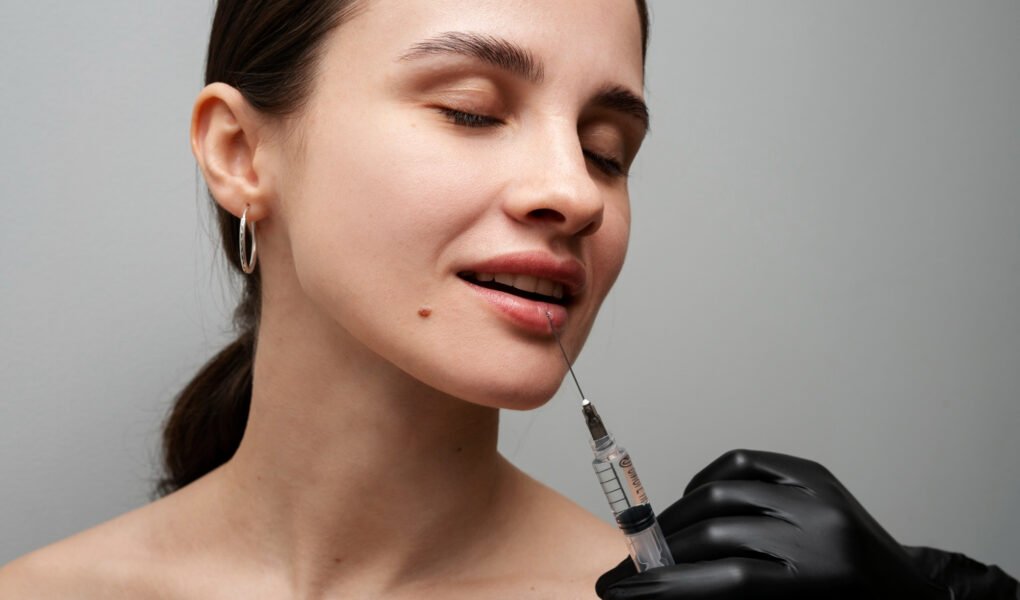
Some cosmetic enhancements, designed to be reversible, still require professional intervention to undo. Dermal fillers represent the most common example—whilst they eventually metabolise naturally, filler dissolving using hyaluronidase provides immediate reversal when results prove unsatisfactory.
This reversibility represents both reassurance and complication. Knowing you can undo filler reduces the psychological stakes of trying it initially, but also means that if you dislike the result, you must pursue active reversal rather than simply waiting it out. The dissolution process itself isn’t always straightforward—some fillers dissolve more readily than others, multiple sessions may be necessary, and hyaluronidase occasionally produces side effects that require management.
If you’re considering filler dissolution, seek practitioners who are specifically experienced in this procedure rather than those who are just experienced in filler placement. The skills differ, and dissolution requires understanding of how products behave when reversed, how much hyaluronidase to use, and how to manage the uneven dissolution that sometimes occurs. Be prepared that you might need to wait weeks between dissolution sessions as swelling subsides and you assess the remaining product.
Temporary hair colour changes can be reversed with colour correction, though this is often more complex than simply applying a different colour. Professional colour correction protects hair integrity whilst achieving desired results more reliably than DIY attempts that risk compounding damage.
When Regret Involves Permanent or Difficult Changes
Permanent alterations, such as tattoos, surgical procedures, or scarring, require different approaches than temporary enhancements. These situations demand accepting that complete restoration to your pre-procedure state may not be possible, whilst exploring what improvements are achievable.
Tattoo regret has multiple management options depending on the issue. Laser removal significantly fades tattoos over multiple sessions, though complete removal proves difficult and expensive. Cover-up tattoos by skilled artists can transform regretted pieces into new designs you actually like. Sometimes, simply adding to or modifying existing tattoos addresses the regret without full removal.
Surgical regret is particularly complex because revision surgeries carry additional risks, don’t guarantee satisfaction, and require significant recovery periods. Consultation with surgeons specialising in revision work provides realistic assessments of what improvements are possible versus what limitations exist. Sometimes non-surgical approaches—strategic makeup, different styling—manage the aesthetic concern sufficiently that additional surgery proves unnecessary.
For permanent changes that can’t be fully reversed, the focus shifts from restoration to acceptance and working with what exists. This doesn’t mean resigning yourself to misery but rather finding ways to minimise the visual impact of what you regret, whilst gradually building comfort with the permanent alteration.
Moving Forward After Beauty Regret
The ultimate goal isn’t just resolving the specific regretted decision but integrating the experience into healthier approaches to aesthetic enhancement. This means developing more realistic perspectives on beauty, more careful decision-making, and greater self-compassion when things don’t go as planned.
Most beauty regrets eventually resolve over time, through correction or psychological adjustment—often through combinations of all three. The haircut grows out. The filler dissolves or metabolises. The tattoo fades or gets covered. The intense distress softens into mild annoyance and eventually into a story you tell about a silly decision you once made.
What matters isn’t achieving perfect beauty choices—an impossible standard—but developing resilience to handle the inevitable missteps whilst making progressively better decisions informed by accumulated experience. Every beauty regret survived makes you more confident in navigating future aesthetic decisions with the wisdom that comes from having survived previous ones.
Your appearance is important, but it doesn’t define your worth. The regretted enhancement, however distressing in the moment, is ultimately just one small aspect of who you are. Handle it practically, treat yourself kindly, take whatever corrective action makes sense, and then move forward without allowing temporary aesthetic regret to occupy permanent mental real estate.