
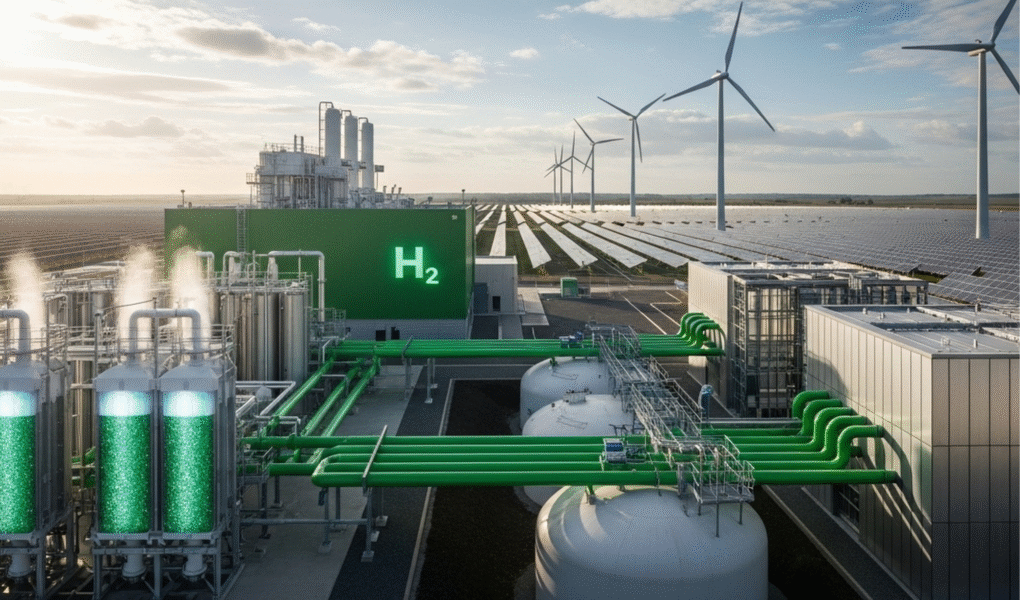
As the global energy landscape evolves, advanced systems are becoming essential partners to traditional infrastructure. Rather than replacing existing power plants and transmission networks outright, new technologies are designed to integrate with and enhance what is already in place. This approach helps utilities reduce emissions, improve reliability, and transition to a cleaner energy future without disrupting the grid.
Bridging Old and New: The Role of Hybrid Energy Systems
Existing energy infrastructure includes decades‑old power plants, substations, and transmission lines that were built to run on fossil fuels like coal and natural gas. Advanced systems—such as renewable generators, energy storage, artificial intelligence (AI)‑driven controls, and carbon capture technologies—are now being deployed alongside these assets to improve performance and reduce environmental impact.
A powerful example of this is when low‑carbon technologies are integrated with gas turbines, allowing emission‑reducing processes to work in harmony with existing generation capacity. When advanced systems are paired with legacy equipment, operators can leverage the strengths of both: the stability and dispatchability of conventional plants, and the efficiency and sustainability of modern innovations.
Renewable Energy and the Grid
Renewable sources such as wind and solar are intermittent by nature, meaning they generate power only when the wind blows or the sun shines. Advanced systems like battery storage, demand response, and forecasting algorithms help manage this variability so that these clean resources can coexist with traditional power plants.
Energy storage systems absorb excess renewable energy when production is high and release it when demand peaks. In doing so, they ensure a smoother flow of electricity to homes and businesses. Grid operators use predictive analytics and AI to anticipate demand and generation patterns, enabling smarter dispatch decisions that balance renewables with existing sources.
Carbon Capture and Utilisation
Carbon capture technologies are another example of advanced systems working within established infrastructure. Instead of building entirely new clean energy plants, carbon capture units can be retrofitted to existing fossil fuel generators. These systems trap CO₂ emissions at the source and either store them underground or convert them into useful products.
By reducing the carbon footprint of traditional power plants, carbon capture allows utilities to meet environmental targets while keeping essential grid assets operational. This transitional strategy helps limit emissions without compromising grid reliability.
Digitisation and Smart Controls
Modern energy systems are increasingly digital. Sensors, communication networks, and control software give operators real‑time visibility into grid conditions. This data‑driven approach maximises asset utilisation, detects faults before they escalate, and coordinates distributed energy resources with central generation.
Smart controls also enable demand side management, where consumption is adjusted based on grid needs. For example, during periods of high renewable generation, smart systems can signal industrial facilities or electric vehicles to increase their power usage, absorbing surplus clean energy.
Benefits of Working Together
When advanced systems are paired with existing energy infrastructure, multiple benefits arise:
- Greater reliability: Legacy plants provide steady generation while new technologies fill in gaps and improve flexibility.
- Lower emissions: Carbon capture and renewables reduce the environmental impact of power production.
- Cost savings: Upgrading current infrastructure is often more economical than building new systems from scratch.
- Faster transition: Utilities can modernise incrementally, maintaining energy security throughout the shift to cleaner power.
Conclusion
The future of energy won’t be defined by old versus new, but by collaboration. Advanced systems working alongside existing infrastructure create a resilient, efficient, and lower‑carbon grid. By blending innovation with established assets, the energy sector can meet the demands of today while building a sustainable tomorrow.