
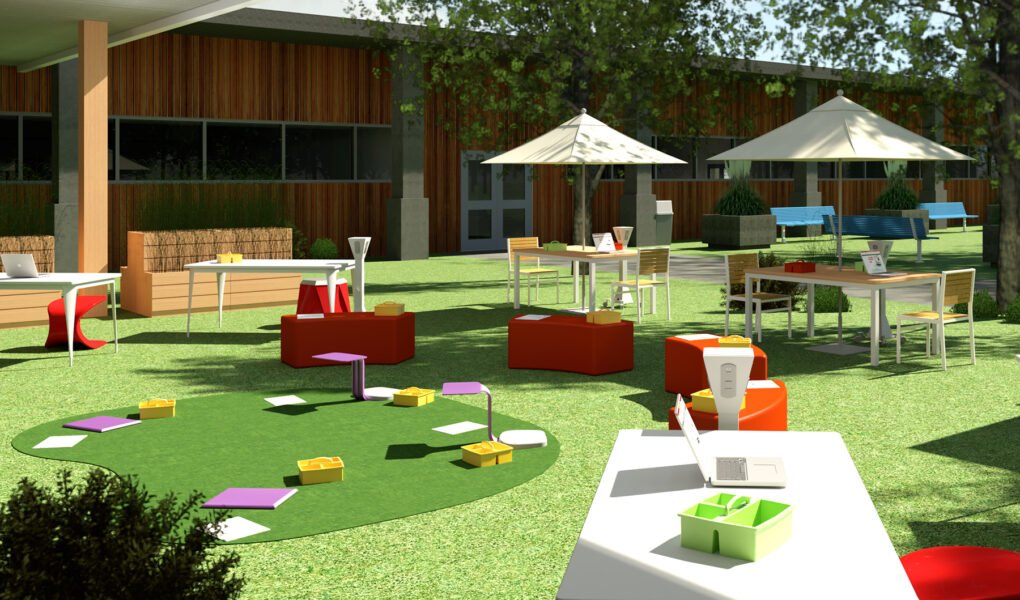
In recent years, schools have begun to recognize the critical role that outdoor spaces play in shaping a child’s learning experience. Gone are the days when the playground was simply a place to burn off energy. Today, creative outdoor environments are intentionally designed to stimulate curiosity, encourage social interaction, and promote physical well-being.
Here is an overview of why these spaces are becoming essential extensions of the classroom, offering opportunities for learning that go beyond textbooks and screens.
The Impact of Outdoor Learning on Child Development
Outdoor spaces provide a unique environment that supports both cognitive and emotional development. Studies have shown that children who spend time in thoughtfully designed outdoor areas tend to exhibit improved focus, creativity, and problem-solving skills. Elements such as nature trails, sensory gardens, and interactive play areas allow children to engage in hands-on learning experiences.
By exploring these spaces, students not only enhance their academic skills but also develop critical social and emotional abilities, such as collaboration and resilience.
Designing Playgrounds With Purpose
Modern playgrounds are no longer just swings and slides; they are carefully curated environments that support multiple aspects of child development. For example, incorporating different textures, climbing structures, and imaginative zones encourages both physical and mental growth.
Schools are increasingly using innovative tools like school playground markings to create interactive learning opportunities. These markings can turn a simple tarmac area into a dynamic educational space, incorporating games that teach math, literacy, and coordination skills while keeping children active and engaged.
Encouraging Active Learning Through Outdoor Spaces
Active learning is at the heart of modern education, and outdoor environments are perfect for fostering this approach. By combining movement with educational content, children are more likely to retain information and develop a love for learning. For instance, hopscotch grids with numbers or letters, obstacle courses that integrate problem-solving tasks, and colour-coded zones for different learning activities all contribute to a more engaging experience. These elements turn traditional recess time into an extension of the classroom, reinforcing lessons in a playful and memorable way.
Promoting Social Interaction and Emotional Well-Being
Creative outdoor spaces also play a crucial role in social and emotional learning. Open areas, cooperative games, and flexible learning zones allow children to interact in ways that build teamwork, empathy, and communication skills.
Outdoor settings offer a lower-pressure environment where students can experiment, take risks, and express themselves freely. This freedom not only strengthens interpersonal skills but also improves mental health, reducing stress and encouraging a positive attitude toward school.
The Role of Nature in Enhancing Learning
Integrating natural elements into outdoor learning environments has a profound effect on students’ engagement and focus. Gardens, trees, and water features create a calming atmosphere, encouraging mindfulness and curiosity.
Exposure to nature has been linked to better concentration, reduced anxiety, and increased creativity, all of which enhance the overall learning experience. Schools that blend structured play areas with natural surroundings are giving students the tools to develop both intellectually and emotionally.
Conclusion
Creative outdoor spaces are no longer optional, they are an essential part of modern education. From enhancing cognitive abilities to promoting social skills and emotional well-being, these environments transform the way children experience learning. Ultimately, investing in these creative spaces equips students with the skills and confidence to thrive both inside and outside the classroom.