
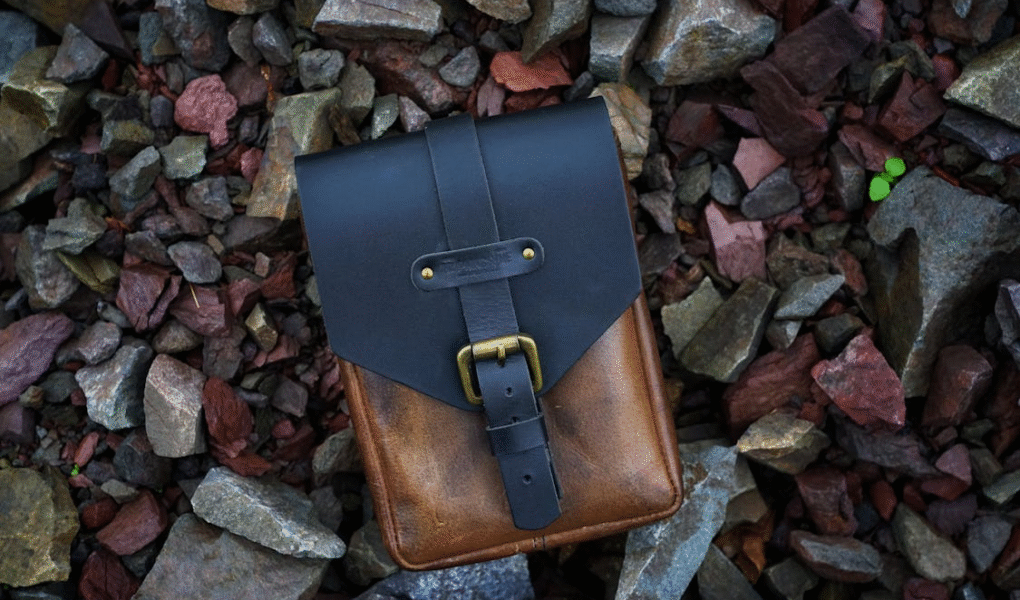
If you have ever browsed for leather bags, wallets, or accessories, you have likely encountered the term “handcrafted leather.” This raises a common question: Does handcrafted leather mean the product is made from real animal hide, or is it simply a marketing term? The answer is straightforward—handcrafted leather is real leather. The distinction lies in how the material is processed and assembled, which directly affects quality and longevity.
What Defines Handcrafted Leather
Handcrafted leather refers to products made by skilled artisans using traditional techniques rather than automated factory processes. Each piece is cut, stitched, and assembled by hand, allowing for greater attention to detail and quality control. The word “handcrafted” refers to the production method, not the raw material. However, artisans who invest time in hand assembly typically choose premium hides to match their craftsmanship.
Maxwell Scott’s handcrafted leather goods embody this philosophy, using full-grain and top-grain leather tanned with vegetable tannins. This pairing of high-quality materials with traditional techniques sets handcrafted products apart from mass-produced alternatives, which often rely on lower-grade leather and machine assembly.
How Leather Grades Affect Quality
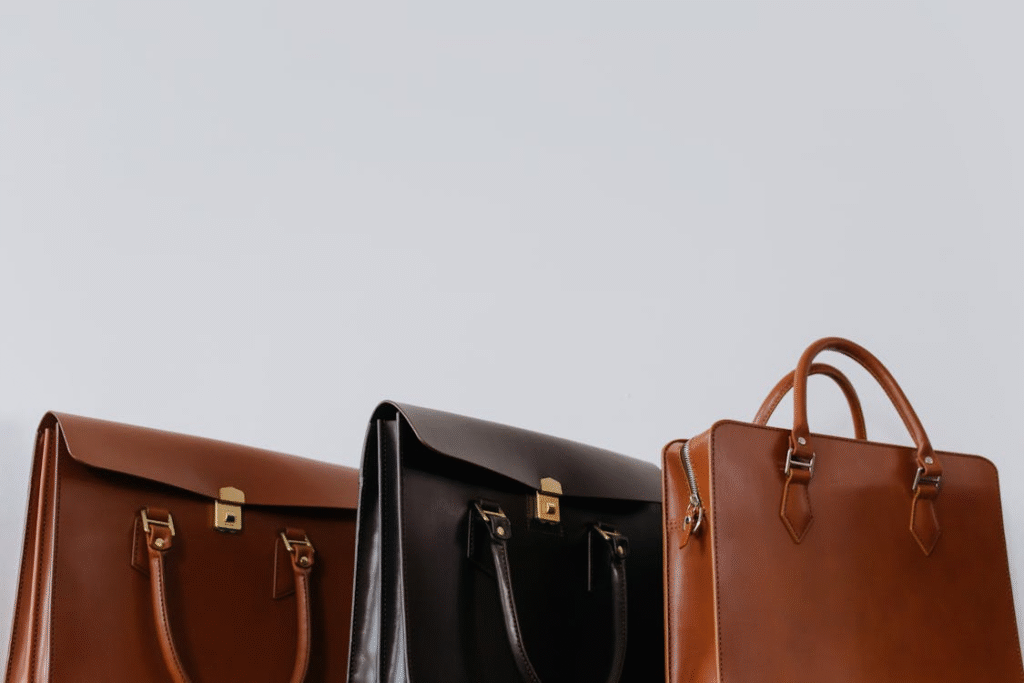
Real leather varies in quality depending on which layer of the hide is used and how it is processed. Understanding these grades clarifies why handcrafted leather products tend to outperform factory-made items.
Full-Grain Leather
Full-grain leather is the top tier. It includes the entire grain surface with all natural markings intact. Scars, wrinkles, and pores remain visible, serving as proof of authenticity. This grade develops a patina over time, improving in appearance with use. Most handcrafted leather makers prefer full-grain because it responds well to traditional techniques and ages gracefully.
Top-Grain Leather
Top-grain leather ranks second in quality. Manufacturers sand or buff the surface to remove imperfections, creating a more consistent appearance. It remains durable and suitable for handcrafted goods, though it lacks the character development of full-grain leather.
Genuine Leather
The term “genuine leather” can be misleading. It refers to the lower layers of the hide after the top grain has been removed. Products made from genuine leather wear out faster and do not develop the same patina as higher grades.
Bonded Leather
Bonded leather is made from leather scraps combined with synthetic binding agents. It cannot withstand traditional stitching methods and deteriorates quickly. Handcrafted artisans avoid this material because it compromises the integrity of their work.
How to Verify Authentic Handcrafted Leather
Several indicators help distinguish genuine handcrafted leather from imitations. Knowing what to look for ensures you receive a product worth its price.
Inspecting the Stitching
Handcrafted leather typically features saddle stitching. This technique uses two needles passing through each hole from opposite sides, creating a figure-eight pattern. If one thread breaks, the rest holds firm. Machine stitching uses a lock stitch that can unravel entirely when damaged.
Examining the Edges
Cut edges reveal whether the leather is genuine. Real leather shows fibrous strands at the edges because animal hide contains collagen. Synthetic materials have smooth, uniform edges. Artisans may burnish or finish these edges, but the fibrous structure remains detectable.
Assessing Smell and Texture
Authentic leather has a distinctive earthy scent that synthetics cannot replicate. The material feels soft and warm, while faux leather tends to feel cold and plastic-like. Real leather also absorbs small drops of water, whereas synthetic alternatives repel moisture.
Looking at Surface Variations
Natural leather shows inconsistencies in texture and color. No two hides are identical, so variations indicate authenticity. Synthetic leather displays uniform, repeating patterns from machine embossing.
Why Handcrafted Leather Costs More
The price difference between handcrafted and mass-produced leather reflects the time, skill, and material quality invested. Artisans spend hours on each piece, applying techniques that require years to master. They source premium hides that complement their workmanship.
Products made this way last longer. Full-grain leather gains character with age, and saddle-stitched seams hold up under daily use. Factory-made items using lower-grade materials and machine stitching cannot match this durability, making handcrafted leather a better long-term investment.
What to Consider Before Buying
When shopping for handcrafted leather, look for transparency about the materials and methods used. Reputable makers specify the leather grade and explain their construction process. Examine the stitching for saddle-stitch patterns, check the edges for fiber visibility, and test the smell and texture.
Price can also serve as an indicator. While cost alone does not guarantee quality, genuine handcrafted leather requires skilled labor and premium materials, which affects the final price. Be cautious of products marketed as handcrafted but priced far below comparable items from established makers.
Handcrafted leather combines quality materials with skilled workmanship. It represents real leather made through traditional methods, resulting in products that perform better and last longer. Recognizing these qualities helps you make informed purchases and appreciate the value of genuine craftsmanship.