Sustainability used to be a niche aspiration in construction; now it is the baseline that clients expect. Companies lease space with an eye on carbon footprints, employees value healthy interiors, and regulators keep raising the bar. The good news? Greener methods no longer require futuristic gadgets or eye-watering budgets.
They call for practical choices—many of which already fit neatly into modern project schedules and pay for themselves in reduced operating costs. Below are four field-tested techniques developers can apply right now to make their next commercial build genuinely planet-friendly.
Site-Smart Planning and Design
Before a shovel hits the ground, teams can set the tone for a sustainable project by scrutinizing the parcel itself. Orient new structures to capture daylight on work floors while shading walls with deep overhangs or strategic landscaping. Preserve mature trees where possible to create natural cooling zones, and map traffic patterns so deliveries and waste removal take the shortest route.
Thoughtful layout reduces earth-moving, cuts utility loads, and keeps stormwater on site longer, feeding vegetation instead of sewers. This front-loaded diligence pays back in lighter foundations, smaller HVAC systems, and a campus that feels integrated with its ecosystem from day one.
Energy-Efficient Building Envelope
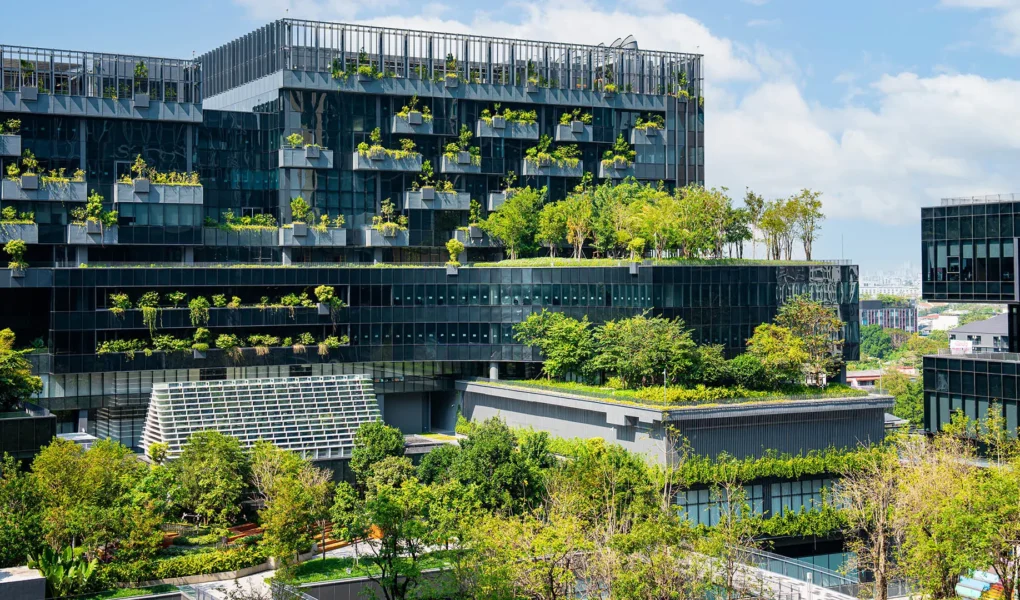
A building’s skin is its first defense against wasted energy. Specify high-R-value insulation, but pair it with airtight detailing—continuous membranes, sealed penetrations, and thermally broken window frames—so conditioned air stays where it belongs. Opt for electrochromic glazing or low-solar-heat-gain glass on sun-blasted façades to slash cooling demands. Green or reflective roofs curb heat-island effects while extending membrane life.
Even simple upgrades, like insulated metal panels with factory-applied finishes, minimize job-site VOCs and speed installation. The result is a shell that works with mechanical systems instead of fighting them, driving long-term savings on every utility bill.
Resource-Saving Systems and Materials
Inside that tight envelope, equip interiors with systems that sip rather than guzzle. Variable-refrigerant-flow HVAC, demand-controlled ventilation, and smart lighting tied to occupancy sensors squeeze energy without sacrificing comfort. Reclaimed steel and FSC-certified lumber lower embodied carbon, while cement mixes that replace a portion of Portland cement with fly ash or slag cut CO₂ emissions substantially without compromising strength.
Modular interior walls and raised-floor cable trays make future tenant fit-outs faster and less wasteful. These choices lighten both the structure and its environmental footprint, proving that durability and sustainability often walk hand in hand.
Job-Site Practices That Lock in Sustainability
Even the greenest design can lose its luster if construction crews waste materials or damage the landscape. Implement a rigorous waste-sorting program that keeps metals, wood, and drywall scraps out of landfills and back into the supply chain. Schedule just-in-time deliveries to limit on-site inventory and reduce the risk of weather damage.
Temporary roadway protection—such as reusable construction mats—prevents soil compaction and erosion when heavy equipment rolls in, preserving the site’s ability to absorb rain once the project is finished. On top of environmental benefits, tidy sites boost safety records and keep neighbors on friendly terms throughout the build.
Conclusion
Commercial developers no longer have to choose between profitability and environmental stewardship. By weaving sustainable thinking into early planning, fortifying the envelope, selecting low-impact systems, and running a conscientious job site, teams deliver buildings that cost less to operate and command higher tenant loyalty.
The techniques above may be practical, but their impact is profound: healthier workplaces, lower emissions, and projects that stand as tangible proof that progress and responsibility can share the same foundation.