
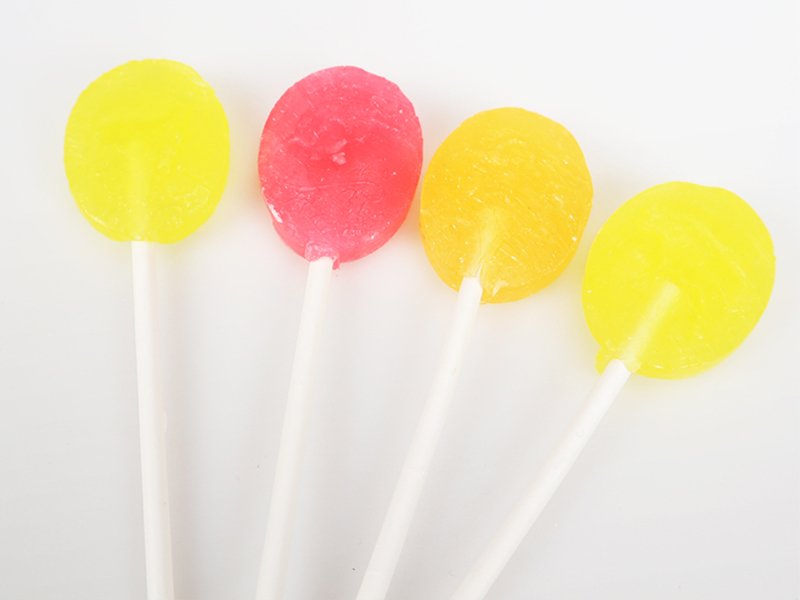
The candy aisle has undergone a quiet revolution. Where sugar-laden sweets once dominated, a growing selection of sugar-free alternatives now competes for attention—and for good reason. As consumers become more health-conscious and aware of sugar’s impact on energy, focus, and long-term wellness, many are reconsidering their relationship with traditional confections.
Sugar-free candy isn’t just about cutting calories. It represents a shift toward more intentional eating, where pleasure and health coexist rather than conflict. For professionals managing demanding schedules, students navigating long study sessions, or anyone seeking sustained energy without the inevitable crash, these alternatives offer tangible benefits. Among the most promising ingredients driving this change is xylitol, a natural sweetener with properties that extend well beyond simple sugar replacement.
Why Sugar-Free Matters Beyond the Label
The appeal of sugar-free candy extends across multiple dimensions of health and daily performance:
- Stable energy levels: Unlike traditional sweets that spike blood glucose and trigger subsequent crashes, sugar-free options help maintain consistent energy throughout the day.
- Weight management support: With significantly fewer calories than their sugared counterparts, these candies allow for occasional indulgence without derailing dietary goals.
- Dental protection: Perhaps most surprisingly, certain sugar-free candies actively support oral health rather than undermining it.
This last point deserves particular attention, as it challenges our fundamental assumptions about candy and tooth decay.
Xylitol: The Sweetener That Does More
Xylitol stands apart in the crowded field of sugar substitutes. Derived from plant fibers—often birch bark or corn cobs—this naturally occurring sugar alcohol delivers sweetness comparable to table sugar while containing 40% fewer calories. But its most remarkable properties relate to oral health.
Xylitol actively inhibits the bacteria responsible for tooth decay. Unlike sugar, which feeds harmful oral bacteria, xylitol creates an environment where these microorganisms cannot thrive. The mechanism is elegant: bacteria absorb xylitol but cannot metabolize it, effectively starving them while leaving beneficial bacteria unaffected.
Additional benefits include:
- Increased saliva production: Xylitol stimulates saliva flow, which naturally cleanses teeth and neutralizes acids that erode enamel.
- Remineralization support: Some studies suggest xylitol may help repair early-stage tooth decay by promoting mineral reabsorption.
- Low glycemic impact: With a glycemic index of just 7 (compared to sugar’s 60-70), xylitol causes minimal blood sugar fluctuation, making it suitable for diabetics and those monitoring glucose levels.
The contrast with conventional candy is stark. Traditional sweets deliver a double assault on dental health—feeding decay-causing bacteria while bathing teeth in acid. Xylitol candy reverses this equation entirely.
The Evolution of Sugar Alternatives
The journey to today’s sophisticated sugar-free candies began over a century ago. Early artificial sweeteners like saccharin, discovered in 1879, offered sweetness without calories but often came with bitter aftertastes and health concerns. The development of sugar alcohols like xylitol and erythritol marked a significant advancement, providing more natural alternatives with fewer side effects.
Modern manufacturing techniques have eliminated many of the texture and flavor compromises that plagued early sugar-free products. Today’s options span the full spectrum of confectionery—from hard candies and chocolates to gummies and caramels—with taste profiles that rival or exceed their sugared predecessors.
This diversity matters. Sustainable dietary changes rarely succeed through deprivation. When healthier alternatives genuinely satisfy, adherence becomes effortless rather than a constant exercise in willpower.
Selecting Quality Sugar-Free Candy
Not all sugar-free candies are created equal. The healthiest options require careful evaluation:
- Scrutinize ingredient lists: Prioritize products using natural sweeteners like xylitol, erythritol, or stevia over artificial alternatives such as aspartame or sucralose. While regulatory agencies deem artificial sweeteners safe, some consumers prefer to avoid them.
- Watch for hidden sugars: Terms like maltitol syrup or maltodextrin indicate ingredients that, while technically sugar-free, can still impact blood glucose levels.
- Consider additional benefits: Some manufacturers fortify their products with fiber, vitamins, or minerals, adding nutritional value beyond simple sweetness.
- Check serving sizes: Sugar alcohols can cause digestive discomfort when consumed in large quantities. Reasonable portion sizes help avoid this issue.
For those seeking convenient options, specialty retailers now offer curated selections of xylitol-based hard candies designed specifically for health-conscious consumers. Brands offering xylitol-based candies with transparent ingredient labeling include Dr. John’s Healthy Sweets, Zollipops, and options at Thrive Market.
Integrating Sugar-Free Candy Into Daily Life
The practical applications of sugar-free hard candy extend beyond simple snacking:
- Workplace focus: Keep a small container at your desk for moments when concentration wanes. The act of savoring a candy can provide a brief mental reset, while xylitol’s steady sweetness avoids the energy roller coaster of sugared alternatives.
- Post-meal satisfaction: A single piece after lunch or dinner can signal meal completion and satisfy the psychological desire for something sweet, potentially reducing the temptation for less healthy desserts.
- Social settings: Offering sugar-free options at gatherings demonstrates consideration for guests managing diabetes, following low-carb diets, or simply trying to reduce sugar intake.
- Travel companion: Hard candies travel well and provide a reliable option when healthy food choices are limited—particularly useful during flights or long drives.
The key to successful integration is mindfulness. Even sugar-free candy works best when consumed deliberately rather than mindlessly, as part of a broader commitment to balanced nutrition and self-care.
The Bigger Picture
The rise of sugar-free candy reflects larger cultural shifts around health, productivity, and the relationship between pleasure and wellness. We’re moving away from the false dichotomy that positioned enjoyment and health as opposing forces, toward a more nuanced understanding that sustainable wellness includes room for treats—when chosen wisely.
Xylitol-based hard candies exemplify this evolution. They deliver genuine sweetness and satisfaction while actively supporting dental health and stable energy levels. The science backing these benefits continues to strengthen, with ongoing research exploring additional applications for xylitol in oral care and metabolic health.
For those navigating the complexities of modern nutrition—balancing demanding schedules, health goals, and the simple human desire for something sweet—sugar-free candy offers a practical solution. It’s not a miracle food, but rather a tool: one that, when used thoughtfully, can support both immediate satisfaction and long-term wellness.
The candy aisle may never look the same. And for those prioritizing health without sacrificing life’s small pleasures, that’s precisely the point.