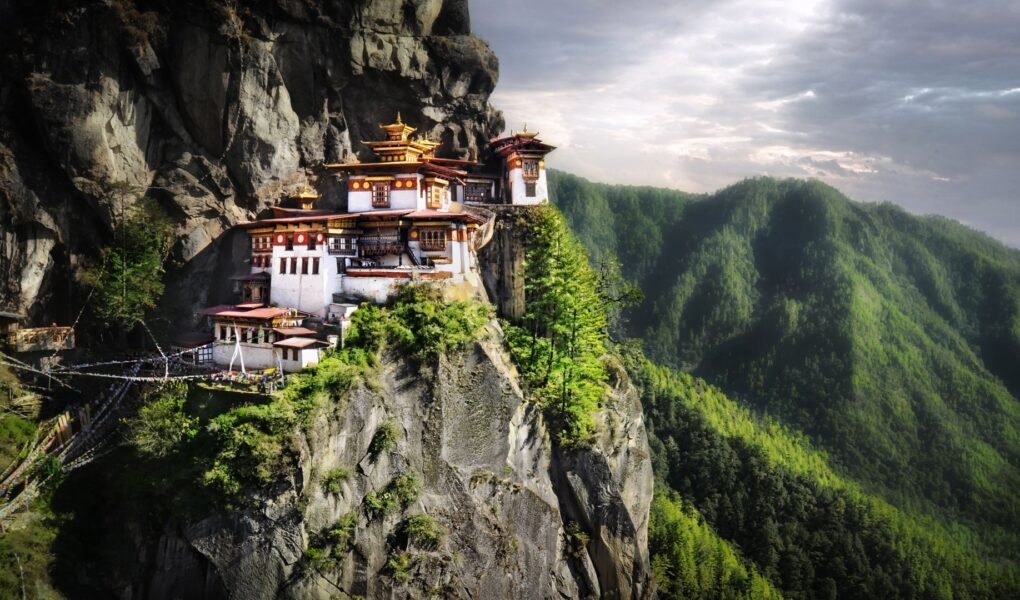
Bhutan is a destination that feels timeless, mysterious, and deeply spiritual, and experiencing it through well-planned Bhutan tours allows travelers to truly connect with its landscapes, culture, and traditions.
Nestled in the eastern Himalayas, this small kingdom offers dramatic mountain landscapes, ancient monasteries, vibrant festivals, and a way of life guided by tradition and balance.
Choosing the best time to visit Bhutan can greatly shape your experience, whether you are seeking clear mountain views, cultural celebrations, or peaceful nature walks.
Bhutan is beautiful throughout the year, but weather patterns, festivals, and accessibility vary by season. Understanding these seasonal differences helps travelers plan a trip that matches their interests, comfort level, and travel goals.
Understanding Bhutan’s Climate and Seasons
Bhutan’s climate is influenced by altitude, geography, and the Indian monsoon. The country experiences four main seasons: spring, summer, autumn, and winter. Each season brings a different atmosphere, from blooming valleys to snow covered passes.
Lower valleys such as Paro, Thimphu, and Punakha have milder temperatures, while higher regions in central and eastern Bhutan experience colder conditions. This variation means that the best time to visit Bhutan often depends on where you plan to travel and what kind of experiences you want.
Spring in Bhutan: March to May
Spring is widely considered one of the best times to visit Bhutan. From March to May, the country comes alive with color as flowers bloom across valleys and hillsides. Rhododendrons, magnolias, and wild orchids transform forests into vibrant landscapes.
Weather during spring is generally pleasant. Daytime temperatures are comfortable, especially in western Bhutan, making sightseeing and trekking enjoyable. Skies are mostly clear, offering excellent views of Himalayan peaks such as Jomolhari and Gangkar Puensum.
Spring is also a great time for outdoor activities. Popular treks like the Druk Path Trek and Jomolhari Trek are accessible, with stable weather and scenic trails. Cultural sightseeing is equally rewarding, as monasteries and dzongs are surrounded by lush greenery.
Crowds begin to increase during spring, particularly in April, as travelers aim to enjoy the favorable weather. Booking accommodations and permits in advance is recommended during this period.
Summer in Bhutan: June to August
Summer in Bhutan coincides with the monsoon season. From June to August, the country receives significant rainfall, especially in southern and central regions. The landscape becomes intensely green, rivers swell, and waterfalls are at their most dramatic.
While summer is not traditionally considered the best time to visit Bhutan, it has its own appeal. Fewer tourists mean quieter monasteries and more flexible travel arrangements. This season is ideal for travelers who prefer solitude and do not mind occasional rain.
Temperatures in summer are warmer but rarely extreme, particularly in higher elevations. Rainfall usually occurs in short bursts rather than all day, allowing sightseeing in between showers. The valleys look fresh and vibrant, offering a different perspective of Bhutan’s natural beauty.
However, trekking can be challenging due to muddy trails and leeches in forested areas. Road travel may also be affected by landslides in some regions. Travelers visiting Bhutan in summer should plan with extra buffer days and remain flexible.
Autumn in Bhutan: September to November
Autumn is another peak season and often regarded as the absolute best time to visit Bhutan. From September to November, the monsoon fades, leaving behind clear skies, crisp air, and stunning mountain views.
This season offers the best visibility of Bhutan’s high peaks and is perfect for photography. The weather is stable, with mild daytime temperatures and cool nights. Conditions are excellent for trekking, cultural tours, and long scenic drives.
Autumn is also festival season in Bhutan. Some of the most important and colorful tshechus take place during these months, including the Thimphu Tshechu, Paro Tshechu, and Punakha Tshechu. These festivals feature masked dances, traditional music, and vibrant local attire, providing deep insight into Bhutanese culture.
Due to high demand, autumn sees the largest number of international visitors. Accommodations, guides, and flights fill up quickly, so early planning is essential. Despite the crowds, the cultural richness and perfect weather make autumn a favorite for first time visitors.
Winter in Bhutan: December to February
Winter is the quietest season in Bhutan and an excellent choice for travelers seeking peace and affordability. From December to February, temperatures drop significantly, especially at night and in higher regions. Snowfall is common in mountain passes and eastern Bhutan.
In western valleys like Paro and Thimphu, daytime temperatures remain manageable, and skies are often clear. Winter offers beautiful views of snow capped peaks and a serene atmosphere in monasteries and towns.
Cultural sightseeing is still very rewarding in winter, as major landmarks remain open and less crowded. Punakha, located at a lower altitude, enjoys relatively warmer temperatures and is a popular winter destination.
Some high altitude treks and remote regions may be inaccessible due to snow. Travelers visiting Bhutan in winter should focus on cultural tours, short hikes, and scenic drives rather than long treks.
Best Time to Visit Bhutan for Festivals
If experiencing Bhutanese culture is your priority, timing your visit around festivals is ideal. Festivals follow the lunar calendar, so dates change each year, but most major events occur in spring and autumn.
Spring festivals often take place in March and April, while autumn festivals are common from September to October. These celebrations are deeply spiritual and social, bringing communities together in colorful gatherings.
Festival seasons are busy, but they offer unmatched cultural immersion. Visitors should book well in advance and be prepared for higher travel costs during these periods.
Best Time to Visit Bhutan for Trekking
Trekking enthusiasts will find spring and autumn to be the best time to visit Bhutan. During these seasons, trails are dry, weather is stable, and mountain views are clear.
Spring treks are known for blooming flora, while autumn treks offer crisp air and panoramic Himalayan vistas. Popular routes such as the Druk Path Trek, Jomolhari Trek, and Bumthang cultural treks are most accessible during these months.
Summer trekking is possible but challenging due to rain, while winter trekking is limited to lower altitude routes.
Best Time to Visit Bhutan for Photography
Photographers will appreciate Bhutan year round, but autumn provides the clearest skies and sharpest mountain views. Early mornings in October and November are especially rewarding for landscape photography.
Spring is ideal for capturing flowers, monasteries set against green hills, and vibrant festival scenes. Winter offers unique opportunities to photograph snow dusted dzongs and quiet village life.
Choosing the Right Time Based on Your Travel Style
The best time to visit Bhutan depends on what you value most. If you want perfect weather and cultural festivals, spring and autumn are ideal. If you prefer fewer tourists and lower costs, winter and summer can be surprisingly rewarding.
Luxury travelers often choose peak seasons for comfort and events, while budget conscious or slow travelers may enjoy the tranquility of off season travel. Adventure seekers should focus on trekking seasons, while cultural explorers can visit any time of year.
Final Thoughts on the Best Time to Visit Bhutan
Bhutan is a destination that rewards travelers in every season. Each time of year reveals a different side of the kingdom, from colorful festivals and clear mountain views to quiet monasteries and lush valleys.
For most travelers, spring and autumn remain the best time to visit Bhutan due to favorable weather, cultural events, and accessibility. However, those willing to explore beyond peak seasons will discover a calmer, more intimate Bhutan that feels just as magical.
By aligning your travel dates with your interests, whether culture, nature, trekking, or photography, you can ensure a truly meaningful and memorable journey to the Land of the Thunder Dragon.