
Oral health is often something people only think about when a problem arises. A sudden toothache, bleeding gums, or sensitivity can quickly remind us how important our teeth and gums really are. However, good oral health should not be treated as an afterthought. Looking after your teeth consistently can help prevent pain, reduce the need for complex treatments, and contribute to your overall wellbeing.
Taking your oral health more seriously doesn’t require complicated routines or drastic changes. Instead, it involves developing a few key habits and seeking professional support when needed.
Your Oral Health Affects Your Whole Body
Many people think dental care is only about maintaining a nice smile, but oral health is closely connected to overall health. The mouth can act as a gateway for bacteria, and untreated dental issues can sometimes contribute to wider health concerns.
Conditions such as gum disease have been linked to problems, including heart disease and diabetes. While maintaining good oral hygiene alone won’t prevent every health issue, keeping your teeth and gums healthy plays an important role in supporting your general wellbeing. Taking preventative steps today can help protect both your smile and your long-term health.
Prevention Is Easier Than Treatment
One of the biggest reasons to take oral health seriously is that prevention is far easier than treatment. Regular brushing, flossing, and dental check-ups can help identify small issues before they develop into more complex problems. For example, a minor cavity detected early can usually be treated quickly with a simple filling. However, if decay is left untreated, it may eventually require more extensive procedures such as root canal treatment or even tooth extraction.
Developing consistent oral hygiene habits and attending regular dental appointments helps prevent these issues from escalating.
Gum Health Should Never Be Ignored
Healthy gums are just as important as healthy teeth, yet they are often overlooked. Early signs of gum disease can include redness, swelling, bleeding during brushing, or persistent bad breath.
When detected early, gum disease can often be managed with improved oral hygiene and professional dental cleaning. If left untreated, however, it can progress into more serious stages that may affect the supporting structures of the teeth. Paying attention to gum health and seeking advice when symptoms appear can prevent long-term damage.
Professional Dental Care Matters
Even with excellent brushing and flossing habits, professional dental care remains essential. Dentists are trained to detect issues that may not yet be visible or painful, including early signs of decay, gum disease, or enamel wear.
Regular dental visits allow these problems to be addressed before they become serious. A dentist can also provide personalised advice on improving your oral hygiene routine based on your specific needs.
For those looking to prioritise their dental care, booking an appointment with a Bognor Regis private dentist can be a helpful step. Private dental practices often provide a wide range of services, including preventative care, cosmetic treatments, and personalised treatment plans designed to support long-term oral health.
Having a trusted dental professional who understands your dental history can make maintaining your oral health much easier.
Small Habits Make a Big Difference
Taking oral health seriously doesn’t require major lifestyle changes. Often, it’s the small daily habits that make the greatest difference over time.
Brushing your teeth twice a day with fluoride toothpaste, flossing regularly, replacing your toothbrush every few months, and attending routine dental appointments can all contribute to a healthier smile.
Consistency is key. By making these habits part of your daily routine, you can significantly reduce the risk of dental problems.
A Healthy Smile Builds Confidence
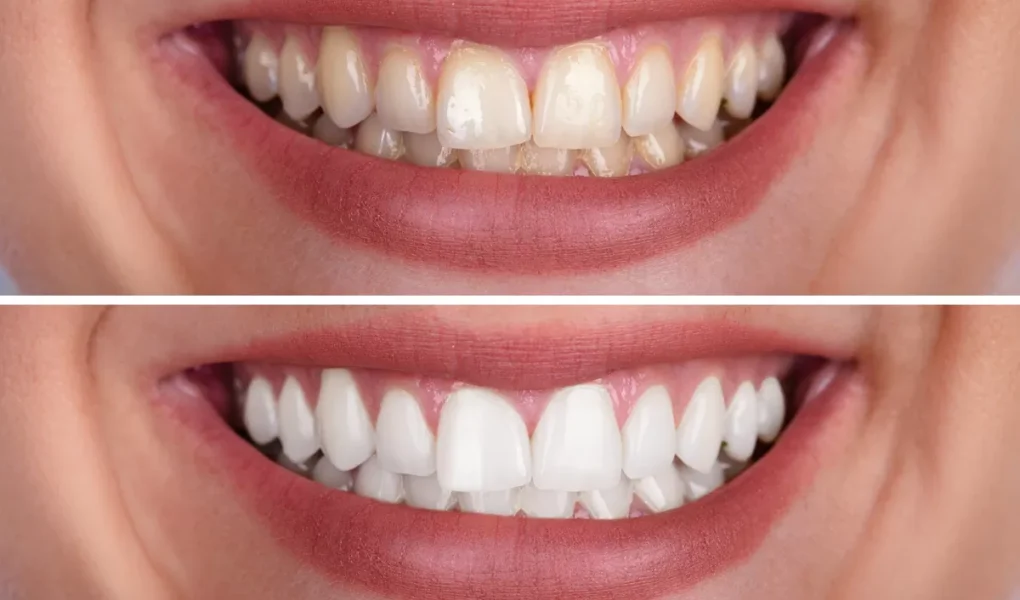
Finally, maintaining good oral health can also have a positive impact on confidence. Healthy teeth and gums often contribute to a brighter smile, fresher breath, and greater comfort when speaking or eating.
When people feel confident about their smile, they tend to smile more freely in social and professional situations. Taking your oral health seriously is ultimately an investment in both your wellbeing and your self-confidence.
Oral health plays a much bigger role in overall wellbeing than many people realise. From preventing dental pain to supporting long-term health and confidence, caring for your teeth and gums should always be a priority.