
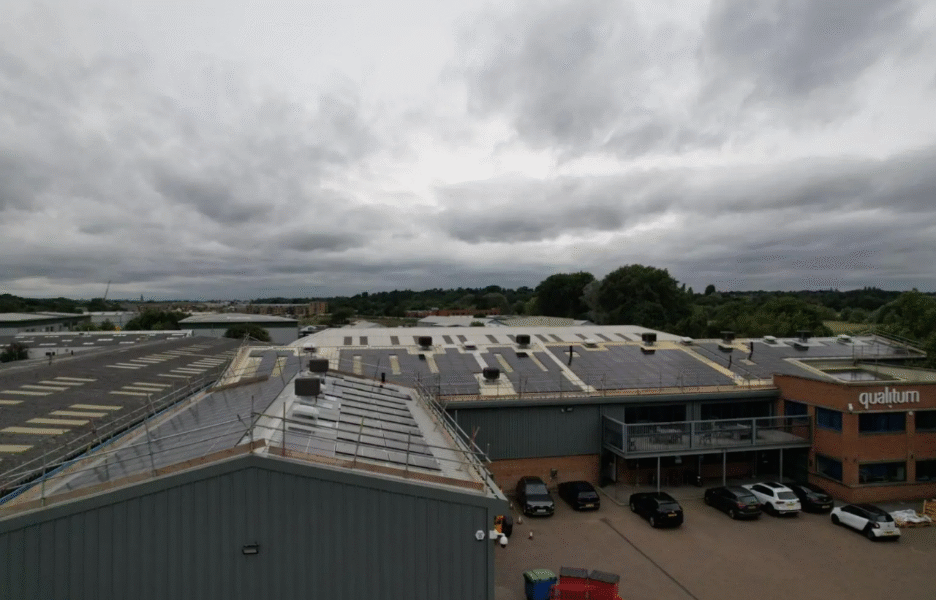
Commercial solar panels allow businesses to generate their own electricity, cut operating costs, and reduce reliance on the national grid while keeping daily operations running smoothly.
Across the UK, companies are now turning to commercial solar not because it is trendy, but because it makes commercial sense. Rising electricity prices, tighter sustainability targets, and long-term cost planning have pushed solar panels for business into the mainstream.
This article explains how commercial solar installation works, what businesses should expect, and how to choose the right commercial solar installer without sales talk or technical overload.
Why Commercial Solar Is Becoming a Business Priority in the UK
Electricity costs are no longer predictable. Many UK businesses now face sudden increases that impact cash flow and planning.
Commercial solar panels offer something grid electricity cannot control.
Businesses choose commercial solar installation because it:
- Reduces monthly energy bills
- Creates long-term cost stability
- Improves environmental credentials
- Supports corporate sustainability commitments and image.
For warehouses, offices, schools, factories, and retail buildings, commercial solar is now viewed as a strategic upgrade rather than an optional add-on.
What Commercial Solar Means in Practical Terms
A commercial solar installation uses roof space or available land to generate electricity that is consumed directly on-site.
Unlike domestic systems, commercial solar panels are designed to support:
- Higher daytime energy use
- Larger electrical loads
- Business-grade infrastructure
A professional solar energy company will feasibility study how your business uses electricity before recommending system size. This avoids overspending and ensures the system delivers real value.
Commercial Solar Panels and UK Business Buildings
Most UK commercial buildings are suitable for solar panels for business, including:
- Industrial units
- Office blocks
- Retail outlets
- Distribution centres
- Schools and healthcare facilities
Flat roofs, in particular, work well for commercial solar installation, as they allow panels to be angled for consistent performance.
A qualified commercial solar installer will also check roof condition, structural limits, and electrical compatibility before work begins.
The Commercial Solar Installation Process Explained Simply
A typical commercial solar panel installation UK project follows a clear and organised set up.
First comes a site assessment. This includes reviewing roof space, current electricity bills profile , and operating hours. Next, the system is designed to match your real energy demand rather than estimates.
Once approved, installation usually happens in stages to avoid disruption. Many businesses continue operating normally while work is completed.
Costs and Value of Commercial Solar Installation in the UK
The price of commercial solar installation varies based on system size, building type, and energy usage.
While there is an upfront cost, businesses often see immediate reductions in electricity bills once the system is live. Over time, this creates a strong return, especially as grid prices continue to rise.
For companies with high daytime usage, commercial solar can significantly lower reliance on imported electricity.
Commercial Solar Panel Grants and Financial Support
Many business owners ask about commercial solar panel grants and solar panel grants in the UK.
Support options may include:
- Smart Export Guarantee payments for excess energy
- Tax benefits and capital allowances
- Regional or Council-led incentive schemes
Grant availability changes, which is why working with an experienced solar energy company matters. They can explain what applies now, not outdated information.
How Solar Panels for Business Deliver Long-Term Savings
The financial benefit of solar panels for business is not limited to lower bills.
Businesses also gain:
- Protection from energy price volatility
- Predictable operating cost
- Increased asset value for owned properties
- Created a small income stream by selling excess energy.
Commercial solar installations continue generating electricity for decades, long after the initial investment has been recovered.
Choosing the Right Commercial Solar Installer Matters
Not all installers are the same. Choosing the wrong commercial solar installer can lead to poor system design, low output, and long-term maintenance issues.
Look for a solar energy company that:
- Specialises in commercial projects
- Offers clear, honest system advice
- Provides long-term support and warranties
- Understands UK commercial regulations
Avoid companies that rush quotes or push oversized systems without proper assessment.
Why Excel Energy UK Is Trusted by UK Businesses
Excel Energy UK focuses on delivering reliable commercial solar installation for businesses that want results, not promises.
Companies work with Excel UK because:
- Designs are based on actual energy usage
- Installations rigorous UK commercial standards requirements
- Advice is clear, practical, and transparent
From the first conversation to system commissioning, Excel Energy UK supports businesses with straightforward guidance and proven expertise.
Common Questions Businesses Ask About Commercial Solar
Does commercial solar work during UK winters?
Yes. Commercial solar panels continue generating electricity year-round, even in overcast conditions.
Can commercial systems be expanded later?
Most commercial solar installations are designed with future growth in mind.
Is maintenance complicated?
Routine checks are minimal and usually handled by your commercial solar installer.