
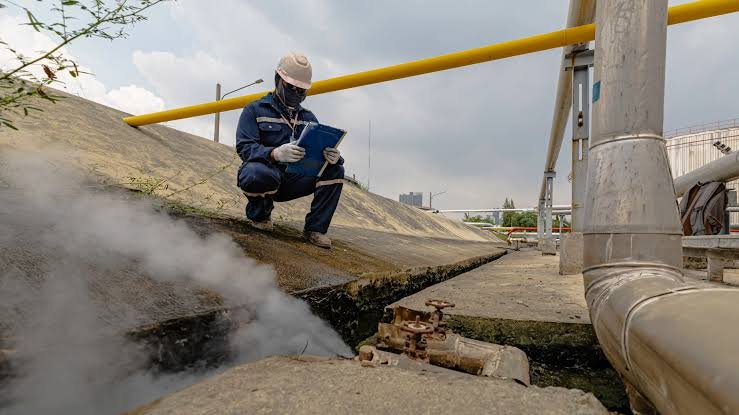
A gas leak does not need to be dramatic to matter. Small fugitive emissions can represent lost product, a safety concern and an environmental liability. The best inspection program finds significant sources early and confirms repairs instead of relying on a single annual sweep.
Why small gas leaks deserve early action
The concern in this part of the system is small fugitive leaks, inaccessible components, methane loss, fire risk, and labor-intensive inspection across large sites. The immediate symptom is not always the root cause, so diagnosis needs to precede repair, replacement or system integration. That distinction protects both the budget and the asset. A narrow, testable question keeps the investigation efficient. It also helps the final report explain whether the evidence confirmed the suspected failure mode or pointed to another cause.
How gas-leak tests differ
Relevant methods include optical gas imaging, thermal cameras, tunable diode laser absorption spectroscopy, drones, mobile platforms, and targeted ground verification. They observe different signals and should be combined only when each method has a defined role. Instrument settings, calibration and site conditions belong in the final record. Where two methods overlap, the project plan should explain whether the second method is corroborating, locating or quantifying the first result. This avoids paying twice for evidence that answers the same question.
Optical imaging for rapid screening
The technical options include optical gas imaging, thermal cameras, tunable diode laser absorption spectroscopy, drones, mobile platforms, and targeted ground verification. Selection depends on what must be detected, located, measured or verified. A method that is excellent for screening may still need a more precise follow-up tool. Field teams should record environmental conditions and known sources of interference. Those notes allow reviewers to judge whether an apparent anomaly is credible and whether a return visit is necessary.
Laser sensing and targeted confirmation
Practitioners may use optical gas imaging, thermal cameras, tunable diode laser absorption spectroscopy, drones, mobile platforms, and targeted ground verification. No instrument should be treated as a black box. The operator needs to understand the measurement principle, common interference and the threshold for confirmation. Equipment capability matters, but operator competence often determines data quality. Training and documented procedures make results more consistent across crews, sites and reporting periods.
Weather and operating conditions matter
When teams assess gas leak testing, they should match the method to the asset, site conditions and required confidence. The main constraints are wind, temperature contrast, sensor limits, calibration, operator competence, flight rules, and confirmatory testing. They belong in the technical scope because they can change accuracy, safety and usability. Critical findings may require confirmation by another method or physical exposure. The report should state confidence and explain what could not be determined. Honest limits help engineers choose safe follow-up work and prevent a preliminary finding from being used for a decision it cannot support.
From finding to verified repair
In practice, this stage requires teams to plan around operating and weather conditions, screen the site, visualize or detect plumes, quantify where required, prioritize sources, repair, and confirm results. Asset identifiers, locations, dates and test conditions should remain attached to every finding. That creates an audit trail and reduces duplicate surveys. The workflow should define how urgent conditions are escalated and how routine observations enter planned maintenance. Separate paths prevent every result from being treated as an emergency.
Building a risk-based inspection schedule
Future development points toward risk-based inspection programs that combine broad screening with precise follow-up. Automation can help rank patterns, but experienced review remains necessary where safety, excavation, billing or regulatory claims are involved. Integration should be gradual. Reliable field records, stable identifiers and clear ownership provide more value than an ambitious platform built on inconsistent or unverified inputs.
What should teams confirm before a gas-leak survey?
They should confirm the asset type, operating condition, required accuracy and the decision the result must support. For this topic, the main constraints are wind, temperature contrast, sensor limits, calibration, operator competence, flight rules, and confirmatory testing. A short pre-field review should document those limits, identify any need for a second method and set the acceptance check for the final result.
How can owners verify the value of a gas-leak survey?
Verification starts with a baseline and a measure tied to the intended outcome. Expected gains include safer operations, reduced product loss, faster surveys, and stronger emissions-management evidence. Owners should compare conditions before and after the intervention, confirm that priority findings were closed and record any recurrence. That produces a direct answer instead of relying on a vendor claim or an untested estimate.
Conclusion
Gas-leak testing should end with verified repair, not a list of unclosed observations. For energy companies, landfill operators, facility owners, safety teams, and environmental managers, the next step is to define the decision, choose evidence that can support it and assign responsibility for follow-up. That approach keeps the work factual, measurable and useful after the initial survey or installation.