When many people think of nursing care, they picture medication management, health monitoring, and medical support. While these responsibilities remain central to nursing care, the reality of modern care is far broader. Today’s nursing environments focus not only on physical health but also on emotional well-being, social connection, independence, and quality of life.
A typical day in a modern nursing care setting is filled with countless interactions and activities that help residents feel comfortable, respected, and engaged. It is these often-overlooked moments that can have the greatest impact on well-being.
Let’s take a closer look at what a day in modern nursing care really involves.
Starting the Day with Individual Needs in Mind
No two residents begin their day in exactly the same way.
Some may enjoy an early start, while others prefer a slower morning routine. Nursing teams work to support individual preferences while assisting with personal care, mobility, dressing, and morning medications where needed.
This personalised approach helps residents maintain a sense of control and familiarity. Rather than following a rigid schedule, modern nursing care aims to balance support with personal choice.
Supporting Health Behind the Scenes
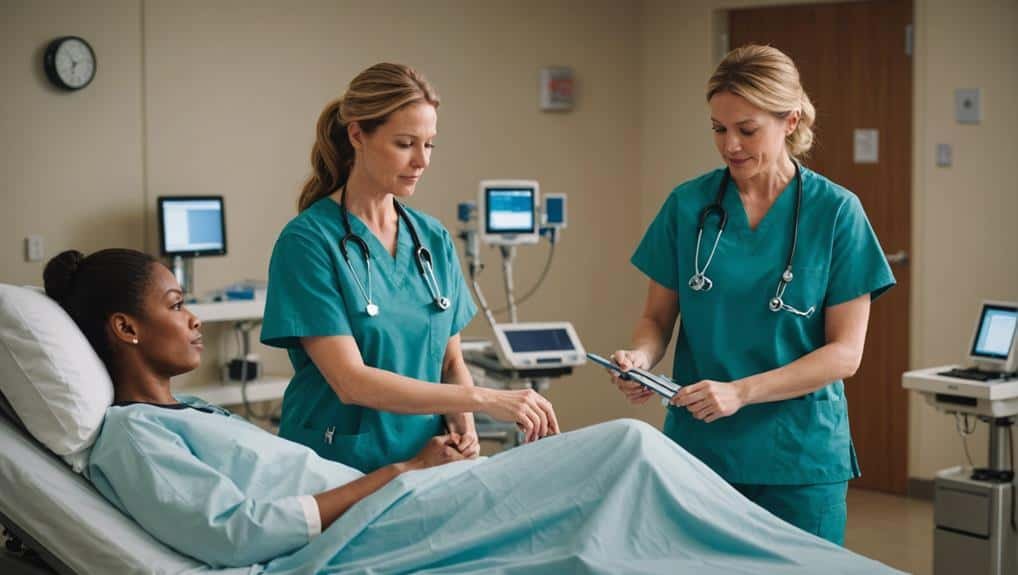
Throughout the day, nurses carry out a wide range of clinical responsibilities.
These may include monitoring health conditions, administering medication, managing chronic illnesses, supporting recovery from illness or surgery, and responding to any changes in wellbeing. Much of this work happens quietly in the background, helping residents stay as healthy and comfortable as possible.
The goal is not simply to treat health concerns but to proactively support overall well-being.
Encouraging Independence Wherever Possible
One of the key principles of modern nursing care is helping residents remain independent.
Rather than doing everything for residents, care teams often encourage participation in daily activities where appropriate. Whether it involves getting dressed, choosing meals, participating in hobbies, or moving around independently, maintaining these abilities can significantly boost confidence and self-esteem.
Small achievements often make a meaningful difference to the quality of life.
Making Time for Meaningful Conversations
Some of the most valuable moments in nursing care involve simple human interaction.
Conversations over breakfast, sharing stories, discussing hobbies, or talking about family can all help strengthen relationships between residents and staff. These interactions help people feel heard, valued, and connected.
Emotional well-being is an important part of overall health, and meaningful communication plays a significant role in supporting it.
Creating Opportunities for Social Engagement
Modern nursing care recognises that social interaction is essential for wellbeing.
Many care environments offer a variety of activities designed to encourage participation and connection. Residents may enjoy exercise sessions, games, arts and crafts, gardening, music, quizzes, or community events.
These activities provide more than entertainment. They help create friendships, encourage mental stimulation, and give residents something enjoyable to look forward to each day.
Supporting Nutrition and Enjoyment at Mealtimes
Meals are often important social occasions as well as opportunities to support physical health.
Nursing teams work closely with catering staff to ensure residents receive nutritious meals that meet their dietary needs and preferences. Assistance is provided where necessary, while efforts are made to maintain dignity and independence during dining experiences.
Shared meals also encourage conversation and social interaction among residents.
Working Closely with Families
Families play an important role in modern nursing care.
Care teams regularly communicate with relatives, provide updates, discuss care plans, and work collaboratively to ensure residents receive the best possible support. Open communication helps build trust and ensures that care remains centred around the individual’s needs and preferences.
Strong partnerships between staff and families contribute significantly to positive outcomes.
Creating a Place That Feels Like Home
Modern nursing care is increasingly focused on creating environments that feel welcoming rather than institutional.
Families searching for a trusted nursing home Bridgnorth often look for providers that combine professional healthcare with a strong sense of community, comfort, and belonging. Comfortable surroundings, personalised spaces, meaningful activities, and compassionate staff all help residents feel more at home.
The aim is not simply to provide care, but to create an environment where people can continue to enjoy life.
More Than Medical Care
A day in modern nursing care involves far more than clinical support alone. It combines healthcare expertise with emotional support, social engagement, independence, companionship, and personal dignity.
While medical care remains a crucial component, the most successful nursing environments understand that quality of life depends on much more than physical health. By supporting the whole person, modern nursing care helps residents live each day with comfort, confidence, and purpose.