
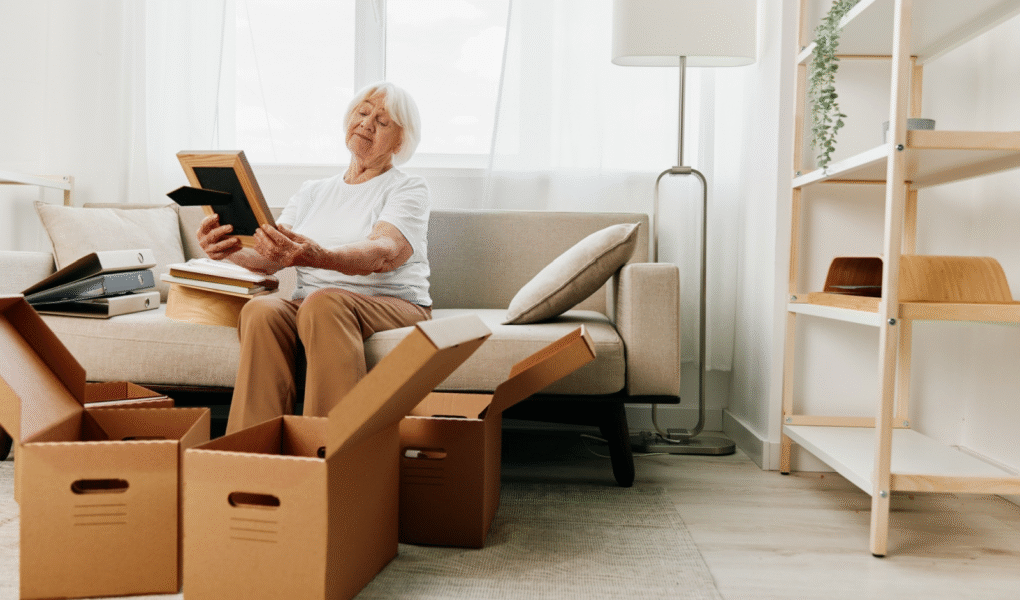
A missed appointment here, a misplaced pair of glasses there, and suddenly a day feels harder than it should. For seniors, these little memory lapses can be frustrating, especially when they pile up and steal confidence. While organizing a home will not “cure” forgetfulness or replace medical support, it can reduce everyday slip-ups by making routines easier to follow and essentials easier to find.
Many seniors use simple home-organization habits alongside other supports, and some families also explore options like memory care facilities when stronger supervision and specialized care become necessary.
Why Clutter Creates More “Where Did It Go?” Moments
Clutter competes for attention. When seniors live among piles of papers, crowded counters, and overflowing drawers, the brain has to work harder to filter what matters. That extra effort increases the chance of losing track of items or forgetting the next step in a routine. A busy environment also makes it easier to set something down “for a second” and then spend twenty minutes searching.
Reducing visual noise helps seniors spot what they need quickly, which can lower stress and prevent small mishaps from turning into a tiring ordeal. Even simple changes, like clearing one countertop or limiting a table to a lamp and a notebook, can make the space feel calmer and more predictable, which supports day-to-day follow-through.
Setting Up “Home Bases” for Everyday Essentials
A well-organized home works best when it has consistent “home bases,” meaning one reliable spot for the items seniors use most. Keys, wallets, hearing aids, glasses, and medication lists should not travel around the house without a plan. Seniors can benefit from placing a small tray or bowl near the entryway for keys, a labeled basket for mail, and a dedicated charging station for phones or medical devices.
In the kitchen, keeping the most-used mugs, plates, and pantry staples at eye level reduces searching and decision fatigue. In the bedroom, a single bedside organizer for tissues, a pen, and a notepad can prevent late-night wandering for small necessities. The point is not perfection; it is consistency, so seniors can rely on muscle memory instead of trying to remember where something “might be.”
Using Labels, Lighting, and Layout to Support Recall
Organization is not only about where items go; it is also about making them easy to recognize. Clear labels on drawers and shelves help seniors avoid opening five places to find one thing. Simple wording works best, such as “Batteries,” “Medical,” or “Bills,” and larger print makes labels easier to read. Lighting also matters because dim corners can turn ordinary tasks into frustrating scavenger hunts.
Bright, even light in hallways, closets, and kitchens helps seniors see what is in front of them and reduces mistakes. Layout can do a lot, too: frequently used items should live between waist and shoulder height to avoid bending or reaching, and pathways should stay clear to reduce trips and distractions. When the environment is easier to navigate, seniors spend less energy searching and more energy completing the task they intended to do.
Building Daily Routines That Keep the Space Working
The best organizing system is the one seniors can maintain without feeling overwhelmed. Instead of big weekend cleanouts, small daily habits keep order steady and reduce backsliding. Seniors can use a short “reset” routine, such as returning items to their home bases after breakfast, sorting mail immediately into “Keep,” “Pay,” or “Recycle,” and placing tomorrow’s clothing in one spot before bed.
A simple checklist posted on the fridge can support follow-through without relying on memory alone. When organization is tied to predictable moments in the day, it becomes automatic. That structure also makes it easier for family members or caregivers to assist, because everyone knows where important items belong and what “tidy” looks like in the home.
Conclusion
Organizing a living space cannot stop every memory lapse, but it can reduce the everyday problems that make seniors feel scattered, stressed, or rushed. A calmer environment, clear home bases, helpful labels and lighting, and small daily routines work together to make life smoother and more predictable.
For seniors, these changes are not about having a perfect home; they are about protecting energy, confidence, and independence through practical order that supports the way memory works day to day.