
For a long time, power cuts in the UK were treated as a rare inconvenience. Something that happened once in a while and was quickly forgotten. That thinking has changed. Weather events, ageing infrastructure, and higher demand on the grid mean outages are now something many businesses expect to deal with at some point.
Because of this, more organisations are installing standby generators. What often gets overlooked at first is how those generators actually connect to the building when the power fails. This is why generators with transfer switches are becoming far more common across commercial and industrial sites.
What Happens During a Power Cut Without a Transfer Switch
When mains power fails, time matters. If a generator needs to be started manually and connected by hand, there is always a delay. Someone has to be on site, know what they are doing, and act quickly. In reality, this does not always happen smoothly.
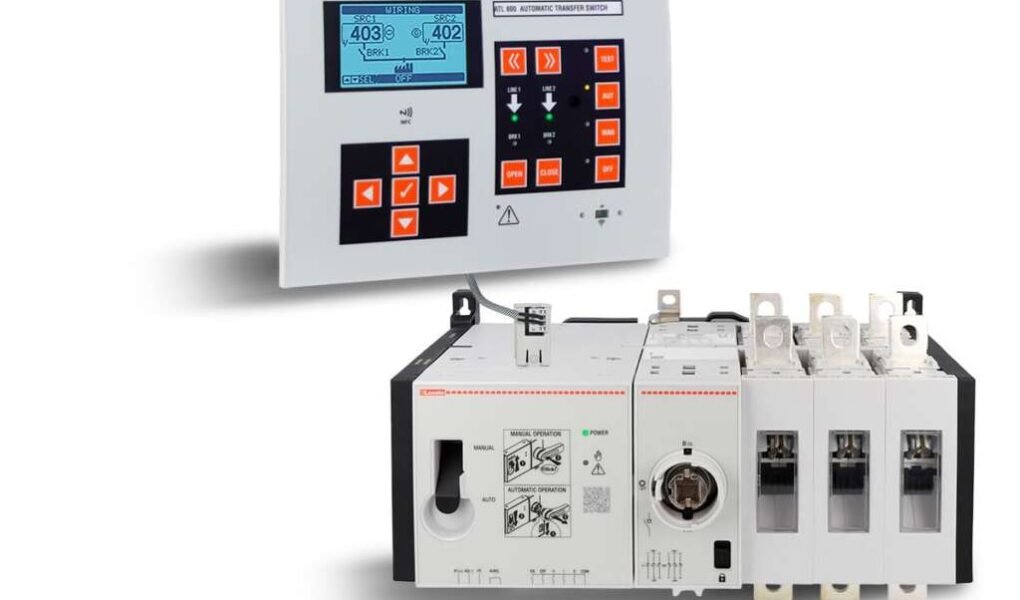
Automatic transfer switches remove that uncertainty. They monitor the incoming supply and react as soon as power is lost. The generator is brought online and the load is transferred safely, often within seconds. For many operations, that difference is critical.
Why Manual Changeover Is Falling Out of Favour
Manual changeover systems still exist and in some small setups they can work. The problem is reliability. They depend on people, and people are not always available at the right moment. Outages do not politely wait for office hours.
UK businesses operating warehouses, care facilities, manufacturing plants, or remote sites cannot afford that risk. Automatic transfer switches ensure power is restored whether anyone is present or not. That reliability is the main reason they are now seen as a sensible baseline rather than a luxury upgrade.
Safety Is a Bigger Factor Than Many Realise
One of the most important roles of a transfer switch is safety. Incorrect switching can allow generator power to feed back into the mains supply. This is dangerous and puts engineers and utility workers at risk.
Transfer switches are designed to prevent this by ensuring the generator and grid are never connected at the same time. From a UK compliance point of view, this matters. Electrical safety regulations are strict, and rightly so. Using the correct switching equipment helps avoid serious legal and operational issues.
How Transfer Switches Fit Modern Generator Installations
Generator systems today are expected to work automatically. Many sites are unmanned for long periods, and facilities teams often manage multiple locations. A generator that needs manual attention during a power cut quickly becomes a weak link.
Transfer switches allow the generator to behave as part of the building’s electrical system rather than a separate piece of equipment. Power fails, the switch responds, and operations continue. That simplicity is exactly what many UK organisations are looking for.
Maintenance and Real-World Reliability
Like any electrical component, transfer switches need regular testing. The only way to know they will work during a real outage is to check them under controlled conditions.
When facilities managers schedule regular tests, they are less likely to be surprised. When systems are used regularly, problems are found early instead of when they are needed. In the long run, this means fewer calls and more trust in the backup system as a whole.
Final Thoughts
A generator by itself does not guarantee continuity. The way it connects to the building is just as important as the generator.
Transfer switches on generators are a useful and dependable way for UK businesses to get steady power. They get rid of delays, lower the risk, and make sure that the backup power works perfectly when the main power goes out.