Before anything else, you need to know if the supplier you’re looking at is the real deal. It sounds simple, but skipping this step can lead to big problems down the road. We’re talking about wasted money, lost time, and damaged brand reputation. So, let’s get into how to check if a China jewelry packaging supplier is actually legitimate.
Requesting Essential Business Documentation
Start by asking for the basics. A real business will have these documents ready. You’ll want to see their business license, registration certificates, and tax information. This includes the legal company name, registration number, and tax ID. Also, check if the registered address matches the factory address. These documents are the first line of defense in verifying a supplier’s authenticity.
Cross-Checking Registration and Tax Information
Don’t just take their word for it. Once you have the documents, cross-check the details. Use official government or corporate registry websites in China. Services like Qichacha or Tianyancha can help verify the authenticity of the business license. Make sure all the information lines up perfectly. This step is key to avoiding scams and confirming you’re dealing with a legitimate entity.
Examining Audit Reports and Compliance Certifications
Reputable suppliers will have audit reports and compliance certifications. Ask for social compliance, quality, and environmental audit reports. Look for certifications like ISO, BSCI, Sedex, or RJC. If they claim compliance with market regulations, like REACH or RoHS, ask for recent third-party lab test reports. Verify these certificates directly on the issuing body’s website. Blurred, old, or incorrect documents are major red flags.
Assessing a China Jewelry Packaging Supplier’s Quality and Specialization
Reviewing Product Catalogs for Niche Fit
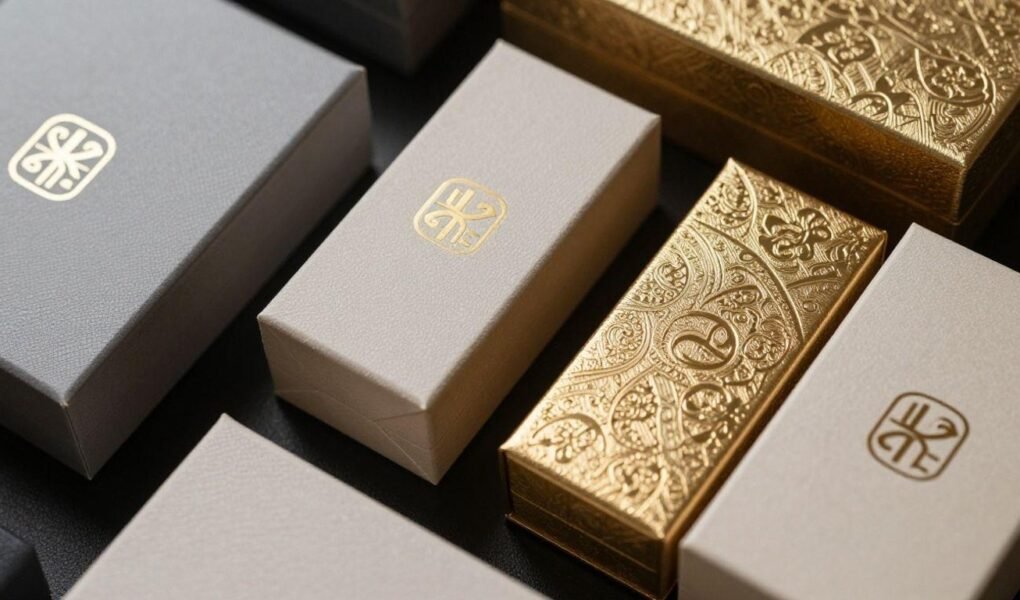
When looking for a China jewelry packaging supplier, the first step is to see if they actually make what you need. A quick look at their product catalog can tell you a lot. You want to find a supplier that specializes in the type of packaging that fits your specific jewelry niche. For instance, if you sell delicate silver necklaces, you’ll want a supplier whose catalog shows a good range of elegant, protective boxes and pouches suitable for fine jewelry, not just generic paper bags.
Don’t just glance at the pictures; check for depth. Does the supplier offer various sizes, materials, and finishes that align with your brand? A supplier that truly understands your niche will have a diverse selection within that category. This focus indicates they have the experience and capability to produce high-quality packaging that meets your brand’s standards. It’s about finding a partner who gets your product.
This careful review of their product catalog helps you gauge their specialization. A supplier with a strong portfolio in your specific area is more likely to provide packaging that enhances your jewelry’s appeal and protects it effectively. It’s a simple yet effective way to start assessing their quality and suitability for your brand.
Evaluating Website Professionalism and Branding
The supplier’s website is often the first impression you get, and it speaks volumes. A professional, well-maintained website suggests a serious business operation. Look for clear navigation, high-quality product images, and detailed descriptions. A clean, up-to-date site with real company information is a good sign that they care about their image and, by extension, their clients’ needs.
Consider their own branding. How do they present themselves? A supplier with strong branding often has better quality control processes in place. It shows they understand the importance of presentation, which is key in the luxury market. If their website looks sloppy or outdated, it might reflect a similar approach to their production and customer service.
A polished online presence often correlates with a more reliable and quality-focused China jewelry packaging supplier. It’s a visual cue that can help you filter out less serious contenders and focus on those who are likely to meet your expectations for quality and professionalism.
Testing Communication Responsiveness and Clarity
How a supplier communicates is a major indicator of their reliability. When you first reach out, pay close attention to their response time. Do they reply within a reasonable timeframe, say, 24 business hours? This speed shows they value your inquiry and are organized.
Beyond speed, assess the clarity of their English and their ability to understand your needs. Do they answer your questions directly and thoroughly? Misunderstandings can lead to costly errors in production, so clear communication is vital. A good supplier will listen to your brand positioning and quality expectations.
Effective communication is not just about speed; it’s about understanding and being understood. It’s the bedrock of a successful working relationship with any China jewelry packaging supplier.
This initial communication test is a practical way to gauge how smoothly future interactions will go. A supplier that struggles to communicate clearly from the start might present significant challenges down the line, impacting everything from design revisions to delivery schedules.
Evaluating Lead Times and Production Capacity
Clarifying Sample and Mass Production Timelines
When looking for a China jewelry packaging supplier, understanding their timelines is key. You need to know how long it takes from the moment you approve a design to when you get the first sample in hand. This isn’t just about the sample itself; it’s about setting expectations for the entire production process. A supplier who is upfront about lead times can help you plan your product launches much more effectively.
It’s also important to get clear details on mass production timelines. This includes time for any special finishes, quality checks, and the final packaging. A reliable supplier will provide realistic estimates in writing, not just vague promises. They should also be able to tell you if custom molds or special materials will add extra time to the schedule.
Don’t forget to ask about potential delays. Things like material shortages or unexpected equipment issues can happen. A good supplier will have contingency plans and communicate these potential impacts to you early on. This transparency is vital for managing your own inventory and customer expectations.
Understanding Monthly Production Capacity
Beyond just timelines, you need to know if the supplier can actually handle your order volume. Ask them directly about their monthly production capacity for the types of packaging you need. This isn’t a one-size-fits-all number; it depends on the complexity and materials of your packaging.
Try to get a sense of their typical order sizes. Are they used to working with small brands or large corporations? This can tell you a lot about their workflow and how they might prioritize your orders. If you plan on large, recurring orders, their current capacity needs to match your growth trajectory.
It’s wise to ask how they manage their capacity. Do they have a system for allocating production slots? Understanding their capacity management helps you gauge their ability to scale with your business. This is a critical step in vetting any supplier for long-term needs.
Assessing Seasonality and Peak Demand Management
Jewelry packaging demand can fluctuate wildly, especially around holidays. Suppliers often get swamped during peak seasons like Q4 for Christmas, or around Valentine’s Day and Mother’s Day. You need to know how your chosen supplier handles these busy periods.
Ask them about their busiest months and how they plan their production capacity to meet increased demand. Do they have a strategy for managing rush orders or ensuring consistent lead times even when they’re at full capacity? A supplier who can’t clearly explain their peak demand management might lead to significant delays when you need stock the most.
Consider asking if they offer reserved capacity for long-term partners. This can be a great way to secure your production slots during high-demand times. Understanding their approach to seasonality helps you avoid stockouts and maintain a steady supply chain, no matter the time of year.
Conducting Thorough Sample Testing
Before committing to a large order, it’s smart to test the waters with samples. This step is where you really get to see what a supplier can do. It’s not just about looking pretty; it’s about how well they perform under actual production conditions. Think of it as a dress rehearsal for your main event.
This is where you can really put the supplier’s claims to the test. You’re not just checking if the packaging looks good; you’re assessing the whole package. From the feel of the materials to the precision of the printing, every detail matters. A good sample tells you a lot about the quality you can expect in bulk.
Examining Craftsmanship and Finishing Details
Look closely at how the packaging is put together. Are the corners neat? Is the glue clean? Check for any stray threads or rough edges. The finishing should be smooth and professional, reflecting the luxury quality you aim for. Pay attention to how well logos are printed or embossed – are they crisp and clear, or smudged and uneven? This level of detail in sample testing is key.
- Check for consistent color matching.
- Inspect all seams and folds for neatness.
- Verify the application of any special finishes like foil stamping or UV coating.
The smallest imperfections can detract from the perceived value of your luxury product. Thorough sample testing helps catch these before they become a widespread issue.
Assessing Comfort and Wearability
While packaging isn’t worn, its usability is important. Can it be opened and closed easily without damaging the contents? Does it feel sturdy enough to protect the jewelry during transit? Consider the user experience – is it a pleasure to unbox, or a struggle? This aspect of sample testing reveals practical design flaws.
- Test the closure mechanism repeatedly.
- Assess the internal padding or inserts for adequate protection.
- Evaluate the overall handling experience.
Evaluating Packaging Quality and Branding Options
This is where your brand’s identity comes to life. Examine the materials used – do they feel premium? Is the weight appropriate for a luxury item? Check the printing quality for sharpness and color accuracy. If custom branding is involved, ensure it’s applied flawlessly. This part of sample testing confirms if the supplier can translate your brand vision into tangible packaging.
- Verify material texture and thickness.
- Confirm logo placement and alignment.
- Assess the durability of printed elements.
Building a Robust Supplier Vetting Checklist
Creating a solid checklist is key for any serious jewelry packaging supplier vetting process. It helps keep things organized and ensures no important details get missed. Think of it as your guide to making smart choices.
Creating a Scoring System for Key Criteria
When you’re looking at different China jewelry packaging suppliers, it helps to have a way to compare them fairly. A scoring system can make this much easier. You can assign points to different aspects like quality, communication, and lead times. This way, you can see which supplier really stands out.
- Quality of Materials: How good are the boxes, pouches, and inserts?
- Craftsmanship: Is the printing sharp? Are the finishes smooth?
- Communication: How quickly and clearly do they respond?
- Lead Time: Do they meet deadlines consistently?
- Pricing: Does it match the quality and service offered?
A consistent scoring system prevents subjective bias and leads to more objective decisions. This structured approach is vital for effective supplier vetting.
Documenting Communication and Professionalism
Keep a record of all your interactions. This means saving emails, noting down phone call details, and tracking response times. It’s not just about what they say, but how they say it. Are they professional? Do they understand your brand’s needs? This documentation is part of your overall jewelry packaging supplier vetting.
This record-keeping helps you spot patterns in their behavior and communication style, which can be very telling.
Pay attention to how they handle questions and requests. A supplier who is consistently responsive and professional is usually a good sign for future collaboration. This part of the vetting process is about building trust.
Comparing Pricing Against Perceived Value
Don’t just look at the lowest price. Compare what you’re getting for that price. A slightly higher quote might mean better materials, more attention to detail, or a more reliable production schedule. Your supplier vetting checklist should help you weigh these factors.
Consider the total value, not just the unit cost. A cheap supplier might cost you more in the long run through poor quality or missed deadlines. This comparison is a critical step in your jewelry packaging supplier vetting.
- Initial quote vs. final quote
- Material quality and durability
- Customization options and complexity
- Minimum Order Quantities (MOQs)
- Payment terms and flexibility
Identifying and Mitigating Risks with Suppliers
Recognizing Red Flags in Pricing and Communication
When looking for a China jewelry packaging supplier, watch out for prices that seem too good to be true. Often, these low prices hide poor quality or hidden fees later on. A supplier who is unwilling to provide clear breakdowns of costs or who pressures you for immediate decisions might be a red flag. Always question pricing that deviates significantly from market averages.
Communication is another area where risks can surface. If a supplier is slow to respond, provides vague answers, or seems to change details about their capabilities or products, it’s a warning sign. Clear, consistent, and timely communication is key to a smooth working relationship. Pay attention to how they handle your initial inquiries; this often reflects how they’ll handle issues down the line.
Be wary of suppliers who refuse video calls or virtual factory tours. This can indicate they aren’t a direct manufacturer but a middleman, which can lead to higher costs and less control over quality. A legitimate supplier will usually be open to showing you their operations.
Understanding the Risks of Skipping Due Diligence
Skipping proper vetting is like building a house on sand. You risk inconsistent quality, where packaging might arrive with defects, incorrect branding, or materials that don’t match your luxury standards. This directly impacts your brand’s image and customer trust.
Another major risk is unreliable lead times. A supplier who hasn’t been properly vetted might overpromise on delivery dates, leading to stockouts and missed launch opportunities. This can damage your sales and reputation. Failing to verify a supplier’s production capacity and their ability to meet deadlines is a common pitfall.
Intellectual property theft is also a concern. Without strong agreements and a trusted partner, your unique packaging designs could be copied. This is a serious threat to your brand’s exclusivity and market position.
Verifying Certifications for Authenticity
Certifications are supposed to signal quality and ethical practices, but they can be faked. Always ask for copies of certifications like ISO, BSCI, or Sedex. Then, take the extra step to verify these documents directly with the issuing body. Check that the company name, address, and validity dates all match.
Low-resolution scans or expired certificates are immediate red flags. If a supplier is hesitant to provide these or claims they are unavailable, consider it a major warning. Authentic certifications are a sign of a serious, established supplier.
Cross-referencing certifications with independent audit reports or lab test results for your specific product type can provide further assurance. This due diligence helps confirm that the supplier meets the standards they claim to uphold, protecting your brand from potential compliance issues and quality failures.
Establishing Strong Partnerships with Suppliers
Maintaining Consistent and Open Communication
Clear communication is the bedrock of any successful supplier relationship. When working with a China jewelry packaging supplier, simple, direct language is key. Avoid slang or complex phrases that might get lost in translation. Always confirm understanding by asking them to repeat back key details. This helps prevent misunderstandings that can lead to costly errors or delays.
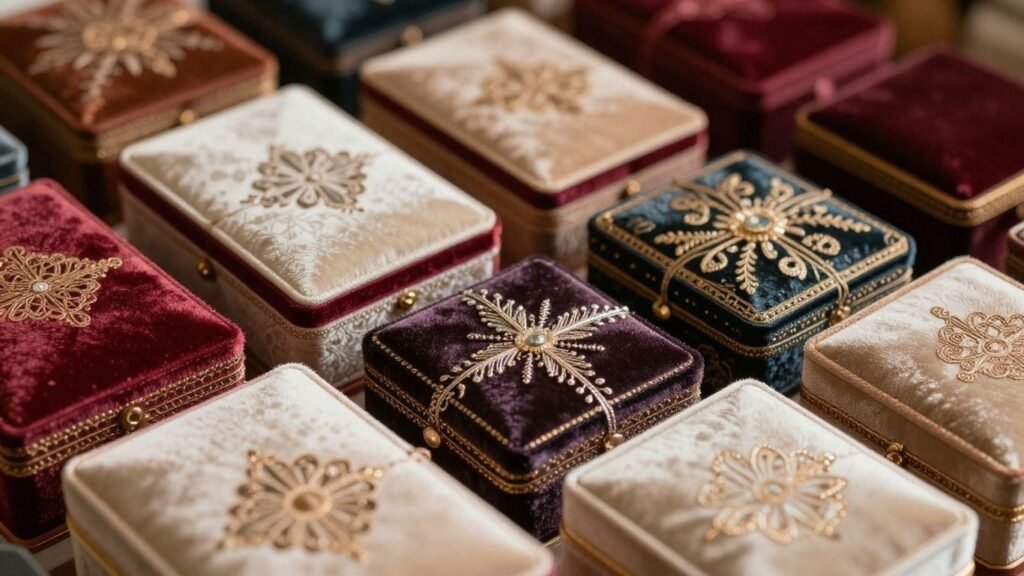
Visual aids are incredibly helpful. Instead of just describing what you need, show it. Use sketches, photos, or even simple diagrams with measurements. This visual reference removes ambiguity and makes it much easier for the supplier to grasp your exact requirements for luxury packaging. Keeping all communication and documentation in one accessible place, like a shared drive, also keeps everyone on the same page.
Regular, structured updates are vital. Set a rhythm for communication, perhaps weekly check-ins, and stick to it. This consistent flow of information allows the supplier to plan their production schedule effectively and anticipate your needs. It also provides an opportunity to address any potential issues early on, before they become major problems. This open dialogue builds trust and a sense of shared purpose.
Demonstrating Reliability and Professionalism
Being a reliable client is just as important as having a reliable supplier. This means paying invoices on time and respecting agreed-upon terms. When you demonstrate professionalism, suppliers are more likely to prioritize your orders and offer better service. They value clients who are consistent and treat them with respect, not just as a transaction.
It’s also about being prepared. Have your specifications clear, your order quantities defined, and your payment methods ready. When you show up prepared, it makes the supplier’s job easier and shows you take the partnership seriously. This professional approach builds a strong foundation for a long-term working relationship.
Reliability isn’t just about meeting deadlines; it’s about being a partner who is predictable and trustworthy in all interactions.
Focusing on Long-Term Collaboration
Think beyond the immediate order. Building a long-term collaboration with your China jewelry packaging supplier means sharing your future plans. Provide them with a roadmap of your upcoming product launches, marketing campaigns, and projected order volumes. This foresight allows them to invest in the right materials and capacity to support your growth.
When a supplier understands your brand’s trajectory, they can offer proactive suggestions and become a true partner in product development. This might involve co-creating custom packaging solutions or suggesting material innovations. This level of engagement goes far beyond a simple vendor relationship and can lead to unique packaging that sets your brand apart.
This collaborative approach transforms a supplier into an extension of your own team. By focusing on shared goals and mutual growth, you create a stable and scalable supply chain. This partnership is where true value is found, leading to consistent quality and reliable lead times for your luxury jewelry packaging.
Wrapping Up Your Search
Finding the right jewelry packaging supplier in China for luxury quality and dependable delivery times might seem like a big task. But, by taking a structured approach, it’s totally doable. Start by really knowing what your brand needs, do your homework on potential partners, and don’t just see them as a place to buy from. Think of them as a team member who helps your brand look good and get products to customers on schedule. Putting in the effort now means fewer headaches later and a better-looking business overall.