Your teeth carry you through every season of your life. Strong teeth help you eat, speak, and smile without fear. Yet many people wait for pain before they pay attention. By then, damage is often deep and costly to fix. You deserve steady care that protects you before trouble starts. This blog shares 3 habits that support lifelong dental health. Each one is simple. Each one guards you from preventable decay and tooth loss. You will see how daily care, smart choices, and regular visits work together. You will also learn how a Riverview family dentist can support you at every age. These habits do not demand perfection. They ask for consistency. Small actions, repeated every day, protect your mouth and lower your stress. When you understand what your teeth need, you gain control. You can keep your natural smile strong as you grow older.
Habit 1: Clean Your Mouth the Right Way Every Day
Tooth decay starts when germs feed on sugar and create acid. That acid eats into your teeth. You stop this when you clean your mouth in a steady way. The method matters as much as the routine.
Use this simple pattern each day:
- Brush twice a day for 2 minutes
- Use fluoride toothpaste
- Clean between your teeth once a day
The Centers for Disease Control and Prevention reports that tooth decay is one of the most common chronic health problems in children and adults. Yet daily brushing with fluoride cuts this risk. Fluoride strengthens the hard surface of your teeth. It helps your mouth repair early damage before it turns into a cavity.
Follow these steps when you brush:
- Use a soft bristle brush
- Place the bristles at the edge of the gums
- Move the brush in short, gentle strokes
- Cover the front, back, and top of each tooth
- Spit out the foam and do not rinse with water
Then clean between your teeth. You can use floss, small brushes, or water flossers. The tool matters less than the habit. The goal is to break up sticky plaque that hides where your brush cannot reach. That is where many cavities and gum problems start.
Habit 2: Choose Food and Drinks That Protect Your Teeth
Every sip and bite has an effect on your mouth. Sugar and acid feed decay. Time between exposures matters. Constant snacking or sipping sugar drinks keeps your teeth under attack.
You protect your teeth when you:
- Limit drinks with sugar like soda, sports drinks, and fruit juice
- Drink plain water during the day
- Eat meals instead of constant snacks
- Choose whole foods like cheese, nuts, and crunchy vegetables
The National Institute of Dental and Craniofacial Research explains that bacteria in your mouth turn sugar into acid. That acid attacks your teeth for up to 20 minutes after you eat or drink. When you sip sugary drinks for many hours, your teeth never get a break. Your enamel weakens, and cavities form.
Use the table below to guide daily choices.
Everyday Choices That Affect Tooth Decay Risk
| Choice Type | Lower Decay Risk | Higher Decay Risk |
|---|---|---|
| Drinks | Water, unsweetened tea, plain milk | Soda, sports drinks, energy drinks, sweetened coffee |
| Snacks | Cheese, nuts, raw carrots, apples | Candy, cookies, chips, dried fruit |
| Frequency | 3 meals and 1 small snack | All day grazing or sipping |
| Timing | Sweets with meals | Sweets between meals and at bedtime |
First, reduce how often sugar touches your teeth. Then, when you do eat sweets, have them with meals. Your mouth makes more saliva during meals. Saliva helps wash away food and neutralize acid. This simple shift lowers damage without strict rules.
Habit 3: See a Dentist on a Regular Schedule
You cannot see early decay or gum disease on your own. Pain often comes late. A steady checkup schedule catches problems early, when they are easier and less costly to treat.
For most people, a visit every 6 months works well. Some people with a higher risk need more visits. Children, people who smoke, or those with diabetes often need a closer watch. Your dentist will tell you what timing makes sense for you.
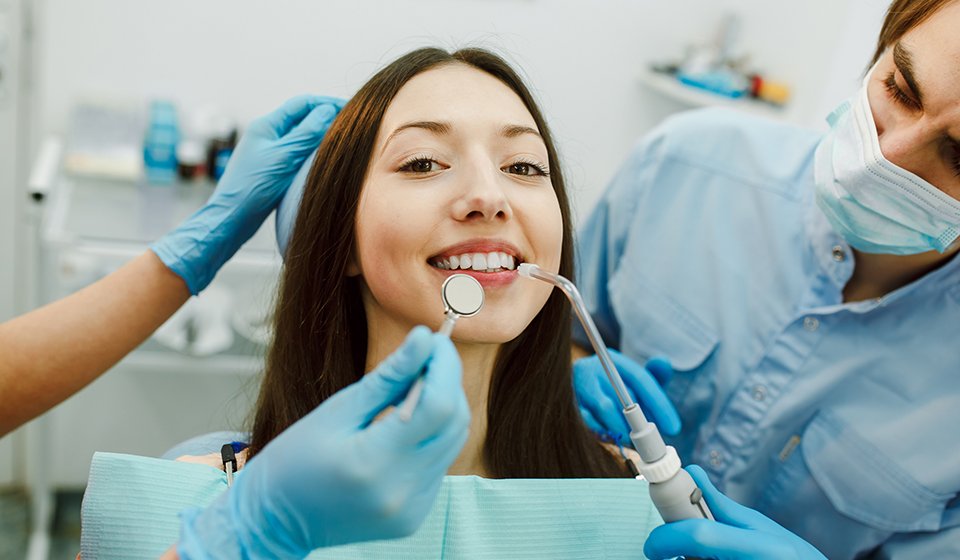
A routine visit should include:
- A review of your health and medicines
- A check of each tooth and your gums
- Cleaning to remove tartar that brushing leaves behind
- Advice that matches your age, health, and daily habits
Regular care also builds trust. When you know your dentist and team, you feel safer sharing fears or money concerns. That honest talk leads to clear plans you can follow. A Riverview family dentist can track your mouth over many years and notice small changes early.
How These 3 Habits Work Together
Each habit gives some protection on its own. Together they form a strong defense.
- Daily cleaning removes germs
- Smart food and drink choices slow new damage
- Regular visits find and fix trouble early
When one habit slips, the others soften the impact. For example, if you enjoy cake at a party, strong brushing and steady checkups help keep that treat from turning into a cavity. You do not need perfect behavior. You need patterns that favor health most of the time.
Making These Habits Work for Your Family
Healthy routines stick best when they fit your life.
Try these steps:
- Keep toothbrushes and floss within easy reach for every person in the home
- Set a simple morning and night routine for children and adults
- Use a timer or song to reach 2 minutes of brushing
- Serve water at meals and keep sugary drinks for rare events
- Book the next dental visit before you leave the office
Children copy what they see. When you care for your own mouth, you learn that teeth matter at every age. That quiet lesson can protect them for life.
Taking the Next Step
Your mouth should not be a source of fear or shame. You can start from where you are today. Choose one habit to strengthen this week. Then add the next one month by month. With steady effort, you can protect your teeth, lower your risk of pain, and save money on urgent care. Your future self will feel the difference every time you eat, laugh, and speak without worry.