
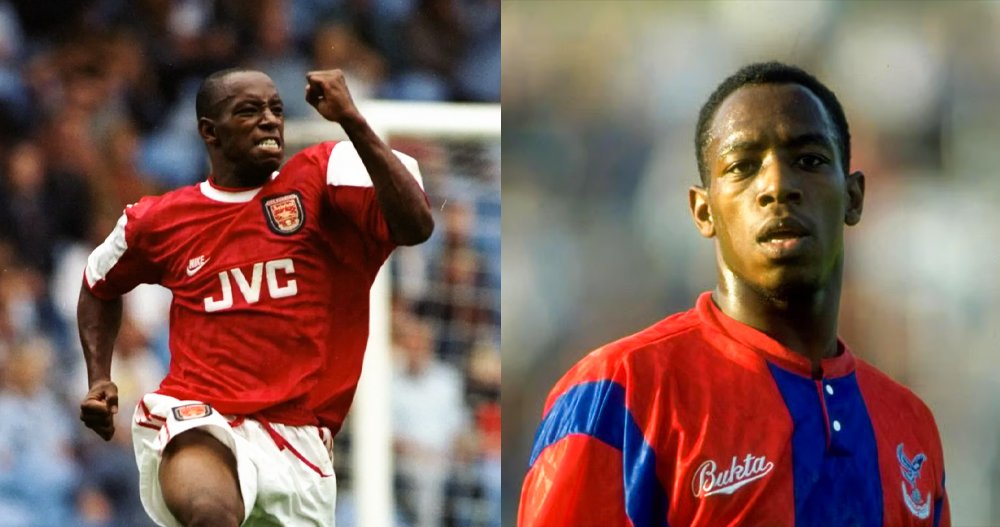
Ian Wright’s early life is a powerful example of how difficult beginnings can shape a strong career path later in life. Born in London in 1963, he grew up in an environment where stability was limited and opportunities were not easy to find. Long before he became known as a football icon, his life was filled with uncertainty, emotional challenges, and constant pressure to find direction.
His journey is not defined by early success but by persistence through setbacks. Ian Wright’s younger years reflect a story of determination, where football slowly became his escape from daily struggles. His rise later in life is closely connected to the lessons and experiences he lived through during his childhood and teenage years.
Quick Bio
| Detail | Information |
|---|---|
| Full Name | Ian Edward Wright |
| Date of Birth | 3 November 1963 |
| Age | 62 (approx.) |
| Birthplace | Woolwich, London, England |
| Height | 5 ft 9 in (1.75 m) |
| Nationality | English |
| Position | Striker |
| Famous Clubs | Crystal Palace, Arsenal, West Ham United |
| Children | 3 sons |
| Net Worth | Around $20 million |
| Profession | Former Footballer, TV Pundit |
| Social Media | Instagram @ianwright, X @IanWright0 |
| Lifestyle | Comfortable, media-based career after football |
Early Life in London
Ian Wright was born on 3 November 1963 in Woolwich, a working-class area in London. He spent most of his childhood in Brockley, where life was shaped by financial difficulty and limited opportunities. The environment around him played a major role in shaping his mindset from a very young age, as he learned early that life would not offer comfort easily.
Growing up in South London, he experienced a reality where support systems were weak and expectations were low. Despite these conditions, he developed resilience that would later become one of his strongest qualities. His surroundings influenced his character deeply, and even though life was challenging, it also gave him a tough mentality that stayed with him throughout his football journey.
Family Background and Childhood Struggles
Ian Wright’s family life was unstable during his early years. He was raised primarily by his mother, while his father was absent, which created emotional gaps during his upbringing. His stepfather played a strict role in the household, and the environment at home was often difficult and tense. These early experiences created emotional pressure that he carried through his youth.
Despite the struggles, his family remained an important part of his identity. His bond with his mother was particularly significant, as she tried to provide support under difficult circumstances. The challenges within the household shaped his personality, making him more independent at an early age and pushing him to find comfort and purpose outside the home environment.
School Life and Early Personality
At school, Ian Wright struggled to fit into traditional academic expectations. He was not highly focused on studies and often found it difficult to connect with structured learning environments. His attention was naturally drawn toward physical activity and outdoor life, where he felt more comfortable and expressive.
Teachers recognized that he had energy and athletic potential, but discipline was often a challenge. His personality during these years was shaped by frustration and a desire for freedom, which made football and street activity more appealing than classroom learning. This phase of his life played an important role in pushing him toward sports as his primary interest.
Street Football Beginnings
Football first became important to Ian Wright in the streets of South London. He spent countless hours playing informal matches with friends, where there were no coaches or structured rules, only raw competition and creativity. These street games helped him develop natural instincts and sharpen his skills in an unstructured environment.
This type of football allowed him to express himself freely and build confidence in his ability. Without access to professional academies, he relied on local games and Sunday matches to improve. These early experiences laid the foundation for his aggressive, fast, and direct playing style, which later became a key part of his professional career.
Rejection and Difficult Early Career
As a teenager and young adult, Ian Wright faced repeated rejection from professional football clubs. He attended trials with several teams but was not offered contracts, which created disappointment and uncertainty about his future. At that stage of life, football did not appear to offer a clear path forward.
He also faced financial instability during this period, which made life even more challenging. Without a stable career in football, he had to work regular jobs to support himself. These difficulties created pressure, but they also strengthened his determination to continue pursuing football despite setbacks and uncertainty.
Semi Professional Football Journey
Ian Wright’s progress began when he started playing at semi-professional level, where his talent started to gain more attention. He joined local teams where he could compete more seriously, and his goal-scoring ability quickly stood out. This stage of his journey marked the first time his football skills were recognized beyond informal games.
Playing at this level gave him structure and exposure that he had never experienced before. It also helped him build confidence and discipline, which were necessary for higher levels of competition. His performances at semi-professional clubs became the stepping stone that eventually led him toward professional football opportunities.
Late Professional Breakthrough
Ian Wright achieved his professional breakthrough at a relatively late age when he joined Crystal Palace in his early twenties. Unlike most professional players who enter the system as teenagers, his journey took longer, which makes his rise even more remarkable. His arrival at professional football marked a turning point in his life.
At Crystal Palace, he quickly proved his ability by becoming a consistent goal scorer. His energy, determination, and attacking instincts helped him establish himself in the team. This period marked the beginning of his rise in professional football, eventually leading to greater success and recognition in the sport.
Physical Appearance Age Height Lifestyle
Ian Wright is known for his athletic build and energetic presence during his playing days. His height is approximately 5 feet 9 inches, which suited his style of fast and aggressive movement on the field. His physical strength and speed allowed him to compete effectively against defenders.
In terms of lifestyle, Ian Wright later transitioned into a comfortable and successful life after football. His career in media and broadcasting provided him with long-term stability. As he aged, his role shifted from player to analyst and public figure, maintaining a strong presence in football discussions and media appearances.
Family Net Worth Social Media Life
Ian Wright has built a strong family life over the years, becoming a father and supporting his children’s own football journeys. His family includes his sons, who followed professional football careers, continuing his legacy in the sport. His personal life reflects a strong connection to family values after a difficult childhood.
His estimated net worth is around twenty million dollars, earned through football and media work. He is also active on social media platforms where he shares football insights and personal reflections. His online presence allows him to connect with fans and remain involved in modern football culture.
Legacy and Personality
Ian Wright’s legacy is defined by resilience, determination, and emotional honesty. He is widely respected not only for his achievements on the field but also for his openness about his past struggles. His personality is known for being passionate, expressive, and supportive of younger generations in football.
His journey continues to inspire many people who face challenges in their early lives. The story of his youth shows that success is possible even when the beginning is difficult. His impact extends beyond football, representing motivation and belief in personal growth despite hardship.
Conclusion
Ian Wright’s early life story is a reflection of struggle turning into success through persistence and belief. His journey from the streets of London to professional football highlights how challenges can become motivation when combined with determination. His younger years played a major role in shaping the person he later became.
Today, his story remains relevant as an example of overcoming difficulty through hard work and patience. Ian Wright’s life shows that success does not always come early, but with effort and resilience, it can still be achieved at any stage of life.
READ MORE: Bank of Dave Star David Fishwick Net Worth, Biography & More
FAQs
What was Ian Wright like in his young age?
Ian Wright had a very energetic and determined personality in his early years. He grew up in a tough environment in London, which made him strong-minded and independent from a young age. Football became his main focus as it gave him direction and purpose.
Why did Ian Wright face rejection early?
Ian Wright faced rejection mainly because he did not come through a professional academy system. Many clubs overlooked him in his teenage years, and he struggled to get noticed despite his natural talent. These setbacks made his journey longer but also built his determination.
When did Ian Wright become a professional footballer?
Ian Wright became a professional footballer in his early twenties when he joined Crystal Palace. This was later than most players, but it marked the beginning of his rise in professional football and helped him establish his career.
What made Ian Wright successful later?
Ian Wright’s success came from persistence, discipline, and natural goal-scoring ability. His experience in street football and semi-professional games helped shape his playing style, while his strong mindset allowed him to overcome early struggles.
What is Ian Wright known for today?
Today, Ian Wright is known as a football legend and media personality. He is respected for his career at Arsenal, his work as a football pundit, and his inspirational life story from hardship to success.