
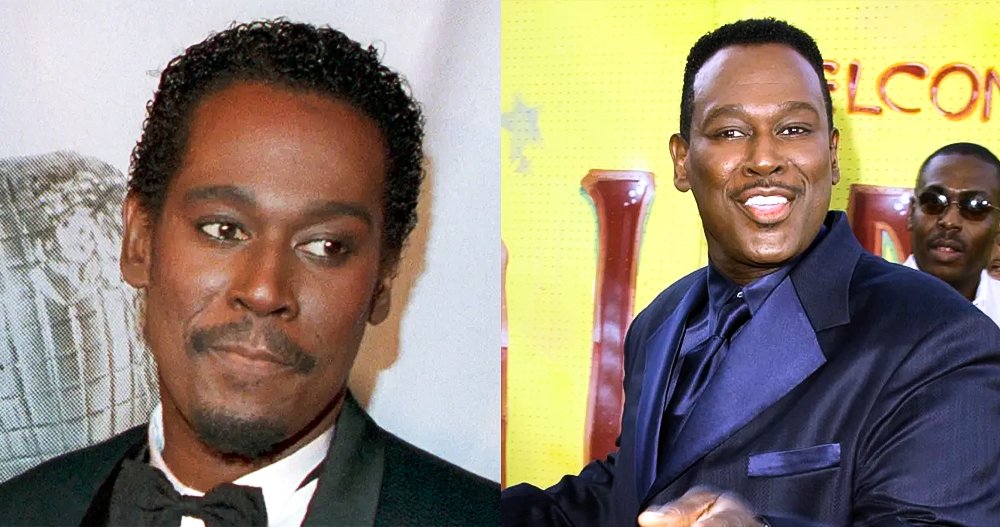
Luther Vandross remains one of the most emotionally powerful voices ever heard in R&B and soul music. His songs captured love, heartbreak, longing, and healing with rare sincerity. Decades after his rise to fame, listeners still turn to his music for comfort and connection. Yet behind the elegance of his voice and the polish of his career was a man who quietly battled serious health challenges. Understanding Luther Vandross’ cause of death requires looking not only at the final medical event, but at the life, pressures, and health struggles that shaped his final years.
Quick Bio
| Detail | Information |
|---|---|
| Full Name | Luther Ronzoni Vandross Jr. |
| Date of Birth | April 20, 1951 |
| Place of Birth | Manhattan, New York City, USA |
| Date of Death | July 1, 2005 |
| Age at Death | 54 years old |
| Height | Approximately 6 feet 2 inches |
| Cause of Death | Heart attack |
| Known Health Conditions | Diabetes, high blood pressure, stroke |
| Occupation | Singer, songwriter, record producer |
| Net Worth | Estimated $30–40 million |
| Marital Status | Never married |
| Children | None |
Early Life and Family Background
Luther Ronzoni Vandross Jr. was born on April 20, 1951, in Manhattan, New York City. He grew up in a working-class household shaped by music and discipline. His father, Luther Vandross Sr., worked as an upholsterer and had a passion for singing, while his mother, Mary Ida Vandross, was a nurse. Tragedy struck early when his father died from complications related to diabetes when Luther was just eight years old. That loss left a lasting emotional imprint on him and would later inspire some of his most heartfelt music.
Luther was the youngest child in the family, with two older sisters who helped raise him alongside their mother. The family later moved to the Bronx, where Luther’s musical abilities became increasingly apparent. Music became both a refuge and a calling, offering him a way to express emotions he often kept private in daily life.
Discovering Music and the Path to Fame
From an early age, Luther Vandross showed exceptional musical talent. He studied music theory, practiced piano, and performed in local groups. As a teenager, he joined the Apollo Theater’s Listen My Brother workshop, which helped shape his stage presence and vocal discipline. Though he briefly attended college, his commitment to music soon pulled him fully into the industry.
Before achieving solo fame, Luther worked extensively behind the scenes. He sang background vocals for major artists and contributed as a songwriter and arranger. These early professional years sharpened his understanding of studio production and refined the signature smoothness that would later define his solo career. When his debut album was released in the early 1980s, his voice immediately stood out as something rare and deeply human.
Physical Appearance and Public Image
Luther Vandross was known for his tall stature, standing at approximately six feet two inches. On stage, he carried himself with confidence and grace, often dressed in elegant suits that reflected his polished musical style. Over the years, fans noticed changes in his weight, which he openly acknowledged in interviews. These fluctuations were closely tied to his ongoing health struggles, particularly diabetes.
Despite being a public figure, Luther maintained a reserved and dignified image. He avoided tabloid drama and rarely spoke about his private life. This quiet dignity earned him respect and allowed his music to remain the primary focus of his public identity.
Health Challenges Throughout His Life
Long before his passing, Luther Vandross faced significant health challenges. He lived with Type 2 diabetes for many years, a condition that requires constant management and can lead to severe complications if uncontrolled. He also struggled with high blood pressure, a condition that places added strain on the heart and blood vessels.
These chronic illnesses were not isolated issues. Combined, diabetes and hypertension significantly increase the risk of heart disease and stroke. While Luther continued to perform and record music, managing these conditions became an increasingly difficult part of his life behind the scenes.
The 2003 Stroke That Changed Everything
In April 2003, Luther Vandross suffered a massive stroke at his home in New York. The stroke left him hospitalized and in a coma for nearly two months. When he regained consciousness, he faced a long and painful recovery process that included speech therapy, physical rehabilitation, and relearning basic functions.
The stroke permanently affected his ability to speak clearly and sing with the strength he once had. For an artist whose identity was so closely tied to his voice, this loss was devastating. Although he worked tirelessly to recover, his health never fully returned to what it had been before the stroke.
Life and Music After the Stroke
Even after such a life-altering event, Luther Vandross demonstrated remarkable resilience. He completed work on the album Dance with My Father, which became one of the most personal projects of his career. The title track, centered on the loss of his father, resonated deeply with audiences and critics alike.
When the song won major awards, Luther was unable to attend ceremonies in person due to his health. Instead, he appeared via recorded messages, expressing gratitude and humility. These moments offered the public rare glimpses into his vulnerability and determination during recovery.
Luther Vandross Cause of Death Explained
Luther Vandross passed away on July 1, 2005, at the age of fifty-four. The official cause of death was a heart attack. Medical professionals confirmed that his long-standing health conditions, including diabetes, high blood pressure, and the lasting effects of his 2003 stroke, significantly contributed to his passing.
His heart attack occurred after years of physical strain and compromised health. While his death was sudden, it was the culmination of ongoing medical issues that had gradually weakened his body. Understanding this context helps clarify what truly happened and dispels misinformation surrounding his passing.
Family, Personal Life, and Privacy
Luther Vandross never married and did not have children. He was deeply protective of his personal life and rarely discussed relationships publicly. Friends and those close to him have since shared that he valued privacy and emotional safety above public disclosure.
His relationship with his mother and sisters remained strong throughout his life. Family support played a critical role during his health struggles, particularly in his final years when public appearances became rare.
Net Worth and Financial Legacy
At the time of his death, Luther Vandross’ net worth was estimated to be between thirty and forty million dollars. This wealth reflected decades of album sales, songwriting credits, touring, and royalties. However, his true legacy cannot be measured solely in financial terms.
His catalog continues to generate income through streaming, licensing, and radio play, ensuring that his estate remains active and that his music continues to reach new generations of listeners.
Social Media and Modern Presence
Luther Vandross passed away before the rise of social media platforms such as Instagram and Twitter. As a result, he never had personal social media accounts. Today, his presence online exists through official estate-managed pages, fan communities, tribute accounts, and digital streaming platforms where his music continues to thrive.
These spaces allow fans to share memories, celebrate anniversaries, and keep his legacy alive in the digital age.
Cultural Impact and Enduring Legacy
Luther Vandross’ influence on R&B and soul music is immeasurable. His vocal style set a standard for emotional honesty and technical excellence. Countless artists have cited him as an inspiration, and his music remains a reference point for love songs across generations.
Documentaries, reissues, and tributes continue to reintroduce his story to new audiences. His voice, once described as velvet smooth, still resonates because it carried truth, vulnerability, and deep humanity.
Final Reflections on His Life and Passing
Luther Vandross’ cause of death was a heart attack, but his life story is far richer than that single moment. It is a story of talent nurtured through hardship, success earned through dedication, and vulnerability faced with quiet strength. His health struggles remind us that even legends are human, while his music reminds us why his legacy will never fade.
Through every note he sang, Luther Vandross offered comfort, understanding, and connection. That is why, long after his passing, his voice still feels present, familiar, and deeply alive.
READ MORE: Momona Tamada Age, Background, and Rise in Hollywood
FAQs
Who was Luther Vandross?
Luther Vandross was an iconic American R&B and soul singer, songwriter, and record producer known for his powerful vocals and emotionally rich love songs. He is widely regarded as one of the greatest male vocalists in modern music history.
What was Luther Vandross’ cause of death?
Luther Vandross died from a heart attack on July 1, 2005. His death was influenced by long-term health issues, including diabetes, high blood pressure, and complications from a prior stroke.
How old was Luther Vandross when he died?
He was 54 years old at the time of his death.
Did Luther Vandross have health problems before his death?
Yes. Luther Vandross lived with Type 2 diabetes and hypertension (high blood pressure) for many years. In 2003, he also suffered a severe stroke, which significantly affected his health and recovery.
When did Luther Vandross suffer a stroke?
He suffered a major stroke in April 2003, which left him hospitalized and in a coma for nearly two months. Although he later regained consciousness, the stroke caused lasting physical and vocal limitations.