As people get older, the organisation and layout of a living environment become increasingly important for daily wellbeing. A home that is safe, practical, and comfortable can make everyday activities easier, reduce the risk of accidents, and support independence. Whether making adaptations to an existing home or considering professional care, careful planning ensures the space meets the needs of later life.
Prioritising Safety and Accessibility
Safety is a primary concern when organising a living space for older adults. Obstacles such as loose rugs, cluttered hallways, and low furniture should be removed to minimise the risk of trips and falls. Wider pathways allow for mobility aids, including walkers or wheelchairs, while handrails in hallways, bathrooms, and near steps provide additional support.
Proper lighting is equally important. Well-lit rooms reduce accidents and create a welcoming atmosphere. Motion-sensor night lights in bedrooms, hallways, and bathrooms, along with easily accessible switches, further enhance safety and convenience. Additionally, contrasting colours on stair edges and door frames can help those with visual impairments navigate the home more easily. Simple adaptations like non-slip mats in the bathroom or a raised toilet seat can also make a substantial difference in daily comfort and safety.
Simplifying Storage Solutions
Clutter can be physically and mentally draining. Practical storage solutions help maintain an organised and manageable home. Shelving at waist height, pull-out drawers, and accessible cupboards reduce strain, while labelled boxes or baskets make it easier to locate everyday items.
Regularly reviewing possessions ensures that only essentials are kept within easy reach. This approach frees up space and makes cleaning and maintenance more straightforward.
Creating Functional Zones
Dividing a home into dedicated zones for specific activities enhances comfort and efficiency. A reading corner with good lighting and supportive seating encourages relaxation, while a hobby or craft area keeps materials organised and accessible.
Considering the flow of a living space is important. Frequently used items should be easy to reach, while less frequently used objects can be stored in higher or less accessible areas. This reduces unnecessary movement and fatigue.
For some, a move to professional care may eventually become the best option. Exploring a reputable care home in Burton on Trent ensures continued comfort, support, and safety if such a transition becomes necessary.
Emphasising Comfort and Personal Touches
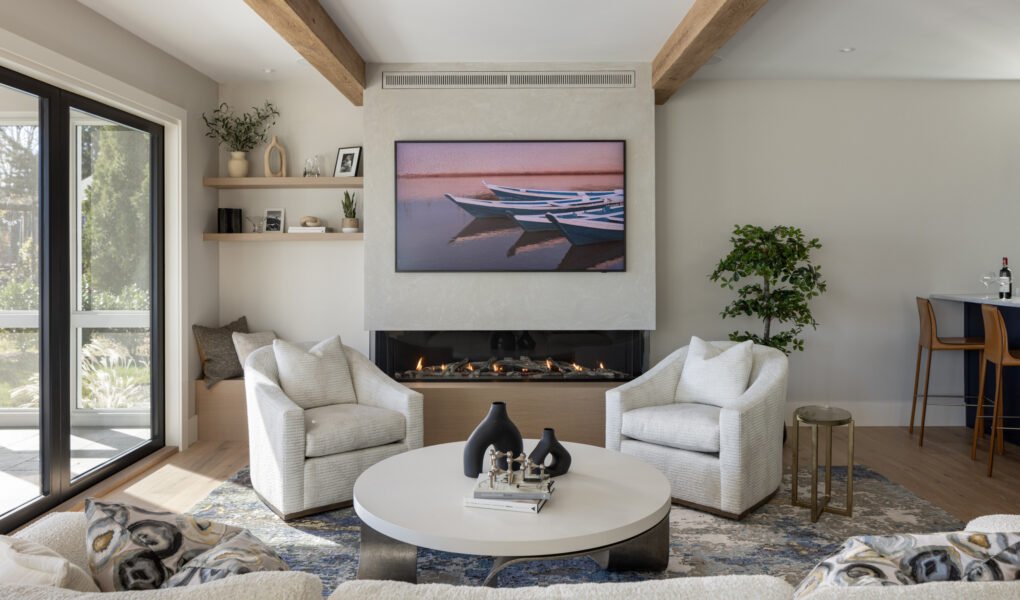
Comfort should be central to the design of a living environment. Supportive seating, adjustable furniture, and soft furnishings such as cushions, throws, and non-slip rugs improve both safety and enjoyment.
Personal touches, such as photographs, keepsakes, and favourite artworks, make a space feel familiar and emotionally comforting. Surrounding oneself with meaningful items contributes to a sense of identity and independence.
Planning for the Future
Thoughtful organisation of a living space not only improves current quality of life but also eases future transitions. By addressing accessibility, reducing clutter, and focusing on comfort, older adults can create living spaces that support independence and wellbeing. A carefully organised home is more than a physical space; it forms the foundation for a safe, fulfilling, and comfortable life in later years.