
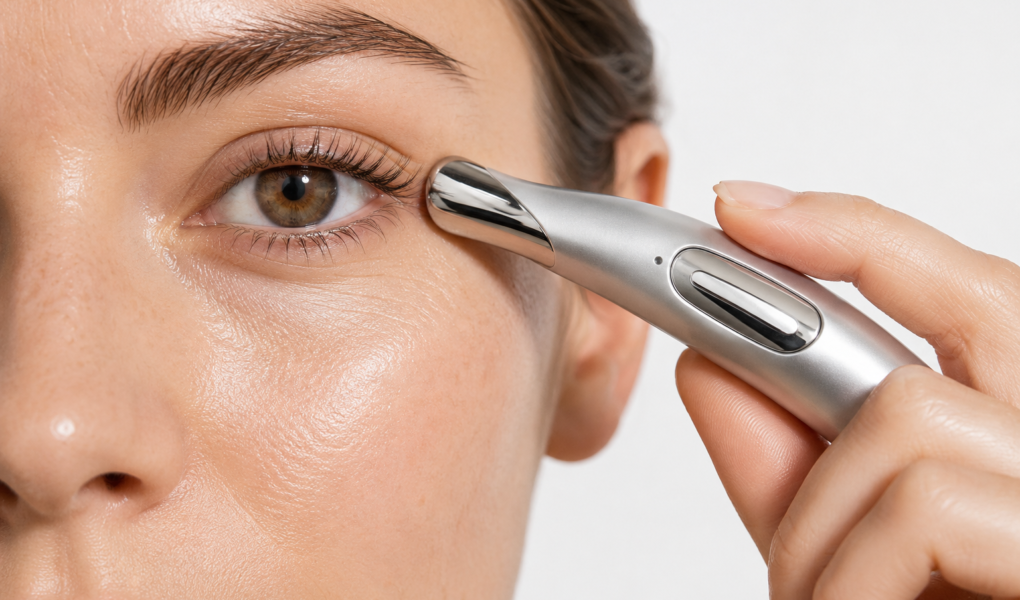
If you have ever stood in front of the mirror and noticed the skin around your eyes looking a little more tired, crepey, or lined than you remembered, you are not imagining things. The eye area ages faster than almost any other part of the face, and for good reason — the skin there is exceptionally thin, sits over constantly moving muscles, and takes the brunt of every squint, smile, and sleepless night. Moisturizers and eye creams can do a lot, but there is a growing body of evidence that targeted technology — delivered through an at-home device — can take periorbital skin care to a genuinely different level.
This is where Eyelid Anti-Aging Device technology has stepped in to fill the gap between a basic topical routine and a clinic visit. Today, options like the Evenskyn Venus Eye Wrinkle Anti-Aging Device bring multi-technology treatments into your home, making consistent, salon-quality care more accessible than ever before.
Understanding Why the Eye Area Ages Differently
Before exploring what these devices actually do, it helps to understand why the eye contour deserves its own dedicated strategy.
The skin of the upper and lower eyelids is among the thinnest on the entire body — roughly 0.5 mm compared to around 2 mm on the cheeks. It contains fewer sebaceous glands, which means it produces less natural oil and loses moisture more readily. The orbicularis oculi — the ring-shaped muscle responsible for blinking and squinting — contracts thousands of times daily, making the surrounding skin prone to dynamic wrinkles earlier than other facial zones.
Add to this the effects of UV exposure, digital screen glare, environmental pollution, and disrupted sleep patterns, and it becomes clear why crow’s feet, hooded lids, under-eye puffiness, and dark circles tend to be among the first and most persistent signs of facial aging that people want to address.
What Makes an Eyelid Anti-Aging Device Different from a Standard Eye Cream?
Eye creams and serums absolutely have their place in a well-rounded routine. But they work primarily at the surface — delivering hydrating agents, peptides, caffeine, or retinoids to the outer layers of the skin. A device, by contrast, uses energy-based technologies to stimulate change at a cellular or structural level.
Here is what that distinction means in practice:
• Topical products moisturize, soothe, temporarily plump, or gradually deliver active ingredients over time.
• Device-based treatments can stimulate collagen production, improve microcirculation, tighten loose skin, and enhance the absorption of the products you apply afterward.
The two approaches are not in competition. In fact, many dermatologists recommend combining a quality serum with a targeted device for noticeably better results than either can achieve alone.
Common Technologies Found in Eyelid Anti-Aging Devices
Radio Frequency (RF)
Radio frequency energy delivers controlled heat to the deeper layers of the dermis, stimulating fibroblasts — the cells responsible for producing collagen and elastin. With consistent use, this can lead to tighter, firmer skin around the eyes over a period of weeks to months. RF is one of the most well-studied non-invasive skin-tightening modalities available and has a long track record in clinical settings.
Microcurrent
Microcurrent therapy uses low-level electrical currents that closely mimic the body’s own bioelectrical signals. In the context of the eye area, microcurrent can help “re-educate” facial muscles, lift and tone the skin, and stimulate ATP production at a cellular level — which supports skin repair and regeneration. It is often described as a “facial workout” because of how it activates the underlying musculature.
Photon Light Therapy (LED)
Different wavelengths of light interact with skin cells in different ways. Red light (around 630–660 nm) penetrates deeply to boost collagen synthesis and improve circulation, while near-infrared light can go even deeper to support cellular repair. Some devices also incorporate amber or yellow light to address pigmentation and redness. LED therapy is gentle enough to use around the delicate eye area and is considered safe for regular home use.
Vibration and Massage
Many devices incorporate sonic vibration or T-shaped massage heads to stimulate lymphatic drainage around the eye contour. This can help visibly reduce under-eye puffiness, improve fluid circulation, and enhance the penetration of topical products applied before or after the treatment.
What to Look for When Choosing a Device
The market for at-home beauty devices has grown enormously over the past few years, which means the quality and safety profiles vary just as widely. Here are the key factors worth evaluating before you invest:
Safety for the Eye Area
This is non-negotiable. A device designed for the cheeks or forehead is not necessarily safe for use around the eyes. Look for products that are specifically designed and tested for periorbital use, ideally with clinical or dermatologist oversight in their development process.
Technology Combination
Single-technology devices can deliver results, but multi-modal devices that combine RF, microcurrent, LED, and massage tend to offer a more comprehensive treatment in less time. If you are investing in a device, it makes sense to choose one that addresses multiple aspects of eye aging simultaneously.
Ease of Use
Consistency is everything with at-home devices. The best results come from regular use over weeks and months, so a device should fit comfortably into your routine — ergonomic to hold, easy to navigate between modes, and quick enough to use on a weekday morning or evening.
Brand Transparency and Clinical Backing
Look for brands that publish information about their technology, share clinical trial data or dermatologist endorsements, and have a clear track record in the beauty device space. A reputable company will also offer clear guidance on how often to use the device and what results are realistic to expect.
Building a Consistent Eye Treatment Routine
Getting the most out of any anti-aging device comes down to routine. Here is a simple framework that works well for most people:
1. Cleanse thoroughly. Remove all makeup and residue before any device treatment. Residual products can interfere with conductivity and cause irritation.
2. Apply a conductive gel or serum. For RF and microcurrent treatments, a light gel or serum helps the device glide smoothly and improves energy delivery into the skin. Hyaluronic acid serums work particularly well.
3. Use your device as directed. Follow the manufacturer’s guidelines on session duration, frequency, and mode selection. Overuse does not speed up results — it just increases the risk of irritation.
4. Follow up with eye cream. Post-treatment, the skin is primed for better absorption. Apply your chosen eye cream while the skin is still slightly warm for enhanced penetration.
5. Apply SPF in the morning. Sun protection is the single most important anti-aging step anyone can take, and the eye area is no exception.
As part of a broader commitment to wellness and intentional self-care — values that align well with the shift toward meaningful personal investments many consumers are making today — incorporating a targeted eye device into your routine reflects a thoughtful approach to aging on your own terms.
How Long Before You See Results?
Managing expectations is important. At-home devices are not overnight transformations — they work gradually and cumulatively. Most users begin to notice subtle changes in skin texture, firmness, and brightness within two to four weeks of consistent use. More significant improvements in fine lines, skin laxity, and under-eye appearance typically become visible between six and twelve weeks.
The key word in both of those timelines is consistent. A device used twice a week for three months will outperform the same device used sporadically every few weeks. Building the habit is half the work.
Is It Worth the Investment?
Compared to in-clinic treatments — which can run anywhere from several hundred to several thousand dollars per session — a high-quality at-home device represents a genuinely cost-effective long-term strategy. A single device purchase, used regularly, can deliver ongoing treatments at a fraction of the per-session cost of professional alternatives.
For those who are serious about managing early signs of aging around the eyes, the math tends to work in the device’s favor fairly quickly. The convenience factor — being able to treat the eye area on your own schedule, in your own home, without appointments or downtime — adds meaningful value on top of the cost savings.
Final Thoughts
The skin around the eyes is delicate, complex, and deserving of a more targeted approach than a general-purpose moisturizer can offer. Whether you are beginning to notice early crow’s feet, dealing with persistently puffy under-eyes, or simply want to be proactive about the area most people look at first, a dedicated eyelid anti-aging device offers a science-backed path forward.
The technology has matured considerably — today’s best devices are safe, effective, and designed with the specific anatomy of the periorbital area in mind. Combined with a good topical routine and consistent SPF use, they represent one of the most practical upgrades a skincare enthusiast can make.
If you are ready to explore what targeted technology can do for your eye area, doing your research on multi-modal devices from trusted brands is an excellent place to start.